
A warm, crusty loaf from your own oven can change a weeknight dinner into something memorable.
This Simplest Homemade Bread is built for busy bakers and curious beginners.
It uses pantry basics and a little time to produce great flavor and texture.
If you love no-fuss bakes you’ll want to try this today; and if you enjoy related classics, check this Irish soda bread recipe for another quick loaf: Irish soda bread recipe.
Why You’ll Love This Simplest Homemade Bread
- Fast, pantry-friendly ingredients.
- No special flour or mixer required.
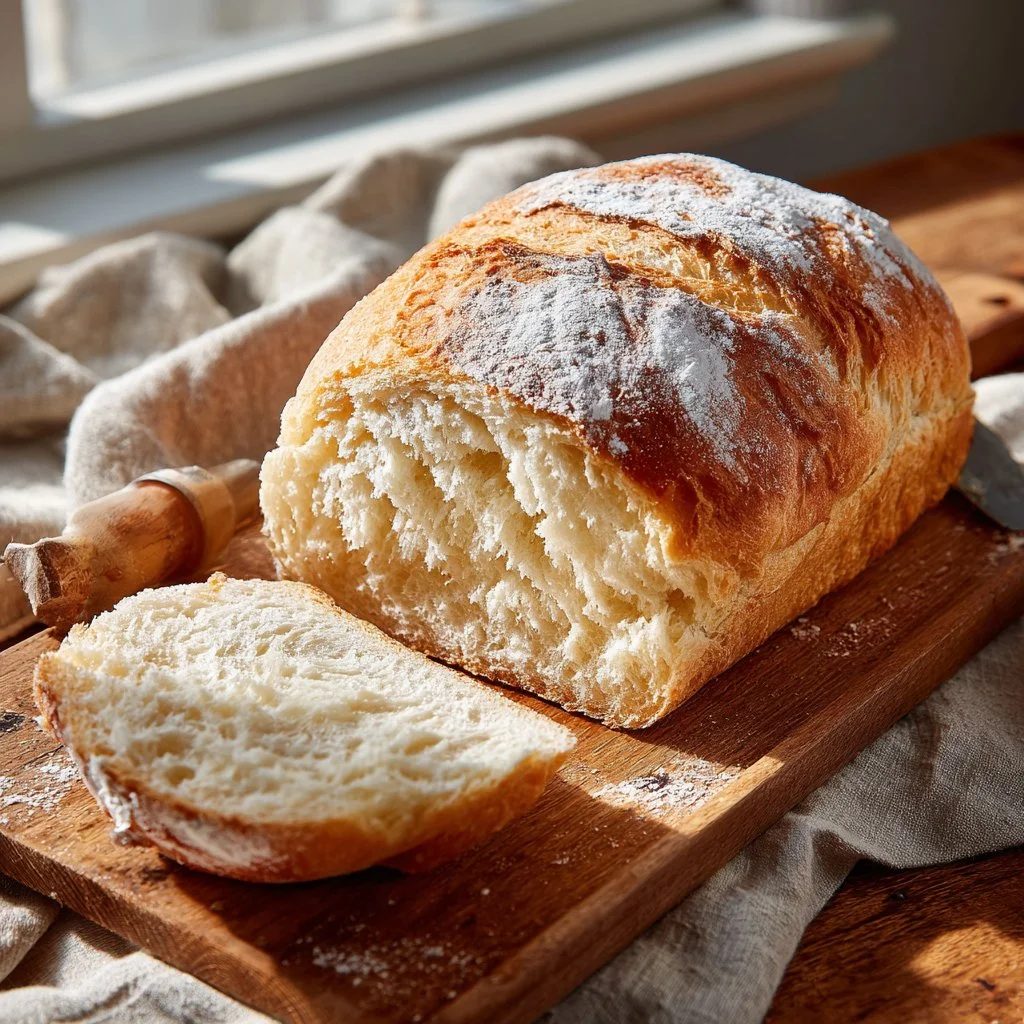
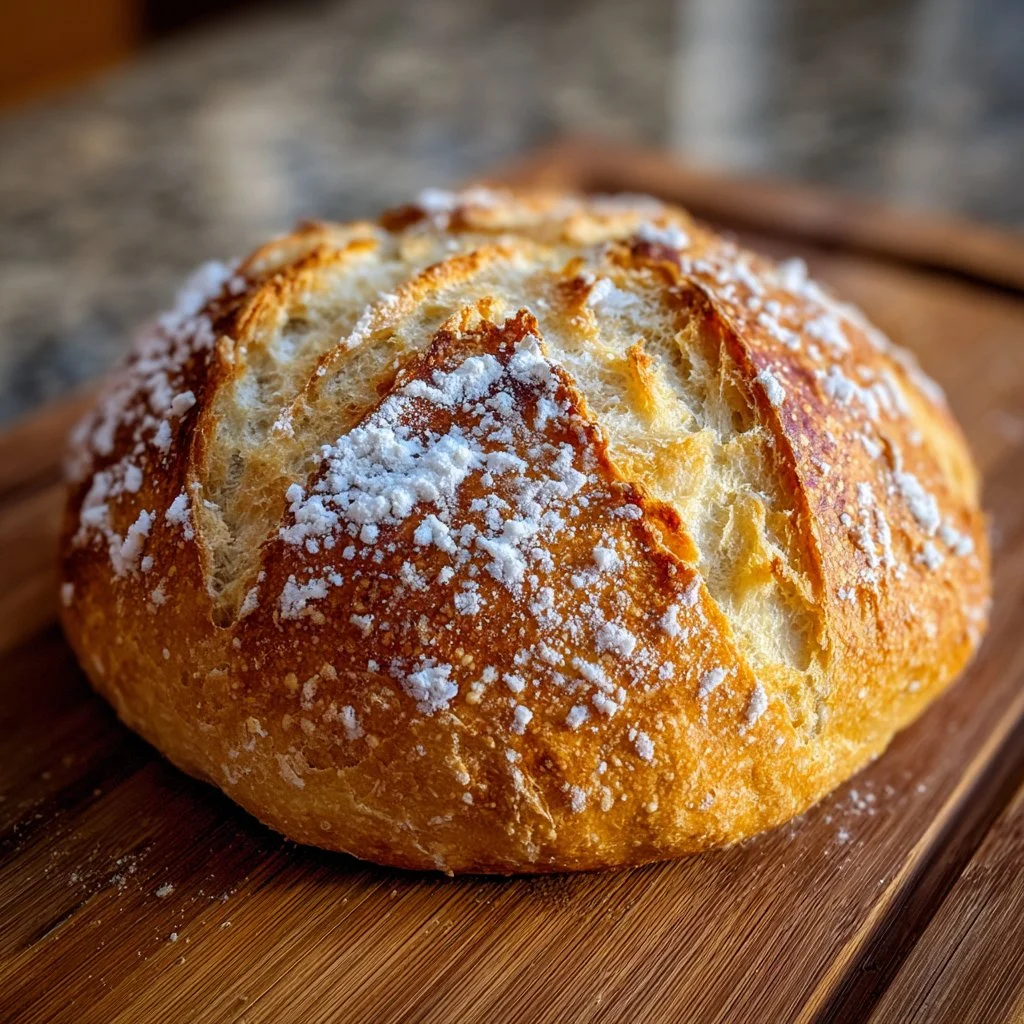
- A tender crumb with a golden, slightly crisp crust.
- Highly adaptable for savory or sweet add-ins.
- Perfect for sandwiches or morning toast.
- Great beginner recipe to learn yeast basics.
This loaf tastes gently sweet with a touch of olive-oil richness and a fine, even crumb. The crust browns to a warm golden color while the interior stays soft and slightly springy, making it excellent for slicing thin or tearing warm.
★★★★★ “I made this on a rainy afternoon with my kids. It smelled like a bakery and came out perfect — soft inside, crisp outside. My new go-to!” — Hannah, home baker
Key Ingredients for Simplest Homemade Bread
Flour matters more than you might think. All-purpose flour gives the right balance of protein for structure and tenderness. If you swap to bread flour you’ll get a chewier, taller loaf; use cake flour and the loaf will be too fragile.
Yeast is the engine of this recipe. Active dry yeast needs warm water to wake up and create gas that makes the dough rise. If you use instant yeast, you can skip the foam step and add it straight to the flour, but watch proofing times closely.
Water temperature controls fermentation speed. Warm water (about 105–110°F / 40–43°C) activates active dry yeast without killing it. Too cool and yeast takes ages; too hot and you risk flat dough because the yeast dies.
Olive oil improves crumb and keeps the loaf tender. Extra-virgin adds flavor; a neutral oil will keep taste cleaner. Omit or substitute with melted butter for a richer, slightly firmer crumb.
Full Ingredient List for Simplest Homemade Bread
- 4 cups all-purpose flour
- 2 teaspoons sugar
- 1 teaspoon salt
- 2 teaspoons active dry yeast
- 1 1/2 cups warm water
- 2 tablespoons olive oil
Step-by-Step Instructions for Simplest Homemade Bread
Step 1: Combine warm water, sugar, and yeast
Measure 1 1/2 cups warm water and pour it into a small bowl. Stir in 2 teaspoons sugar and then sprinkle 2 teaspoons active dry yeast on top. Let this sit for about 5 minutes until the surface is bubbly and frothy.
Pro Tip: Look for a foamy cap with lots of small bubbles; it should smell yeasty and fresh, not sour.
Step 2: Mix flour and salt
In a large bowl, whisk together 4 cups all-purpose flour and 1 teaspoon salt until evenly distributed. Create a well in the center to make adding liquids easier.
Pro Tip: The flour should look cloud-white and uniform; salt grains should be evenly scattered with no clumps.
Step 3: Add the yeast mixture and olive oil
Pour the foamy yeast water and 2 tablespoons olive oil into the flour well. Use a wooden spoon or your hand to bring the ingredients together into a shaggy dough.
Pro Tip: The dough will look rough and slightly sticky at first before kneading; you should see no large dry patches.
Step 4: Knead the dough until smooth
Turn the dough onto a lightly floured surface and knead for about 10 minutes. Work until the dough feels smooth, elastic, and springs back when poked.
Pro Tip: A well-kneaded dough will feel slightly tacky but not cling to your hands; pull gently and it should stretch without tearing.
Step 5: First rise in a greased bowl
Grease a clean bowl with a teaspoon of oil, place the dough inside, and cover with a damp towel or plastic wrap. Set it in a warm, draft-free spot and let rise for about 1 hour, or until doubled in size.
Pro Tip: The dough should grow to roughly twice its original volume and look airy with visible bubbles beneath the surface.
Step 6: Preheat the oven to 375°F (190°C)
About 10 minutes before you bake, preheat your oven to 375°F (190°C). Grease a loaf pan so the shaped dough won’t stick.
Pro Tip: The oven should reach temperature and feel consistently hot; use an oven thermometer if your dial is unreliable.
Step 7: Punch down and shape into a loaf
Gently deflate the risen dough with your fist, then shape it into a tight loaf by folding and tucking the edges underneath. Place the shaped dough seam-side down in the greased loaf pan.
Pro Tip: The shaped loaf should hold its contour and feel slightly springy when pressed gently.
Step 8: Second rise
Cover the loaf pan and let the dough rise again for about 30 minutes, until it puffs up just above the rim of the pan.
Pro Tip: The risen loaf will look full and soft but not collapse when nudged.
Step 9: Bake until golden brown
Bake for 25–30 minutes, or until the top is golden brown and the loaf sounds hollow when tapped on the bottom. Rotate the pan halfway through if your oven has hot spots.
Pro Tip: A golden, even crust indicates proper bake; the hollow thump is a classic doneness check.
Step 10: Cool before slicing
Remove the loaf from the pan and cool on a rack for at least 20–30 minutes before slicing to let the crumb set.
Pro Tip: The interior should look airy and moist but not gummy; if slices are wet, the loaf needs more cooling time.
Expert Tips for Simplest Homemade Bread
- Temperature tip: Aim for 105–110°F (40–43°C) water when proofing active dry yeast to wake it without damage.
- Texture troubleshooting: If your dough is dense, knead 2–3 more minutes and check hydration; add a tablespoon of water only if dough feels stiff.
- Equipment tip: A bench scraper makes kneading and shaping faster and cleaner.
- Common mistake: Using water that’s too hot — it kills yeast and causes a flat loaf.
- Proofing tip: For faster rises, place the dough in an oven with the light on or atop a warm appliance.
- Crust control: Brush the top with melted butter after baking for a soft crust, or mist the oven with water at the start for a crispier crust.
- Flavor tip: Letting the dough rise slowly in the fridge overnight develops a more complex, slightly tangy flavor.
- Scaling tip: This recipe doubles well; use a stand mixer on low for 5–6 minutes when making larger batches.
Storage & Freezing for Simplest Homemade Bread
Room temperature: Store the cooled loaf in a paper bag inside a bread box for up to 2 days to keep the crust crisp. For softer crusts, wrap in plastic and store at room temperature up to 3 days.
Fridge: Refrigeration dries bread out quickly; avoid the fridge unless you have a very moist climate. Use only if planning to keep bread longer than 4 days.
Freezer: Slice and wrap the loaf tightly in plastic wrap, then place in a freezer bag. Freeze for up to 3 months for best quality. Defrost slices overnight in the fridge or at room temperature for a few hours.
Thawing & reheating: Reheat individual slices in a toaster or arrange whole loaf in a 325°F oven for 10–15 minutes after thawing to refresh crust. For a quick revive, sprinkle a few drops of water on the crust before warming.
Best containers: Use airtight freezer bags or vacuum-sealed packs for long storage. For short-term, paper or cloth bags retain texture well.
Variations & Substitutions for Simplest Homemade Bread
Whole-wheat twist: Replace 1–2 cups of all-purpose flour with whole-wheat flour and increase water by 1–2 tablespoons. The loaf will be heartier, denser, and nuttier in flavor.
Garlic-herb loaf: Add 1–2 teaspoons dried herbs and 1 minced garlic clove to the dough for a savory bread. The flavor infuses during rising and pairs well with soups.
Olive and rosemary: Fold 1/2 cup chopped olives and 1 tablespoon chopped fresh rosemary into the dough during shaping. Expect a more rustic texture and Mediterranean aroma.
Sweet cinnamon swirl: Roll the dough into a rectangle, brush with butter, sprinkle cinnamon-sugar, then roll and shape. Baking this way produces a softer crumb and a sweet swirl interior.
Frequently Asked Questions About Simplest Homemade Bread
Q: Can I use instant yeast instead of active dry yeast?
A: Yes. Use the same amount of instant yeast and add it directly to the flour. Skip the 5-minute foam step but reduce the first rise by 10–20 minutes and watch the dough; rise times vary.
Q: Why did my bread turn out dense or heavy?
A: Dense bread is usually under-kneaded, under-proofed, or made with too little water. Knead until elastic, allow the dough to double in bulk, and ensure precise flour measurement by spooning and leveling the cup.
Q: How can I tell if my yeast is dead?
A: If the yeast-water mixture fails to foam within 5–10 minutes at the proper temperature, the yeast may be inactive. Try a fresh packet or test with a small proofing: warm water + sugar + yeast should become bubbly.
Q: Can I make this dough in a stand mixer?
A: Absolutely. Use the dough hook on low speed for 6–8 minutes until the dough is smooth and elastic. Avoid overmixing which can heat the dough and shorten rise quality.
Q: What temperature is best for proofing dough?
A: A warm, steady environment around 75–85°F (24–29°C) is ideal. For a slower, more flavorful rise, proof in the fridge overnight at about 40°F (4°C).
Final Thoughts on Simplest Homemade Bread
This Simplest Homemade Bread is forgiving, adaptable, and rewarding for new and experienced bakers alike. Leave a star rating in the recipe card below and pin this loaf to Pinterest to save it for later.
Butter with a Side of Bread’s easy homemade bread recipe is a nice comparison if you want step photos and alternate shaping ideas.
For a no-knead, crustier approach try the detailed method at World’s Easiest Yeast Bread recipe – Artisan, NO KNEAD crusty bread.
If you want another straightforward loaf with slightly different technique and notes, see Homemade Bread Recipe – Tastes Better from Scratch.
Simplest Homemade Bread
Ingredients
Method
- Combine warm water, sugar, and yeast in a small bowl. Let sit for 5 minutes until frothy.
- In a large bowl, whisk together flour and salt. Create a well in the center.
- Pour the yeast mixture and olive oil into the flour well. Mix into a shaggy dough.
- Knead the dough on a floured surface for about 10 minutes until smooth and elastic.
- Place dough in a greased bowl. Cover and let rise in a warm spot for 1 hour or until doubled.
- Preheat oven to 375°F (190°C). Grease a loaf pan.
- Deflate the risen dough and shape it into a loaf. Place seam-side down in the pan.
- Cover and let rise for 30 minutes until just above rim of the pan.
- Bake for 25-30 minutes until golden brown and sounds hollow when tapped.
- Cool on a rack for 20-30 minutes before slicing.