
A warm, tender muffin made with olive oil sounds unusual until you taste it — then it becomes a weekday staple. These Olive Oil Muffins are simple, quick, and endlessly adaptable.
They bake up with pale golden domes and a soft crumb that stays moist for days. No butter to melt, no creaming — just whisk, fold, and bake.
Try one with your morning coffee or pack them for a hike. If you like approachable muffin recipes, you’ll appreciate how forgiving this one is, similar to a quick muffin I tweak after testing variations like strawberry oatmeal muffins.
Why You’ll Love This Olive Oil Muffins
– Moist crumb that resists drying out for days.
– Simple pantry ingredients you probably already have.
– Faster than butter-based muffins — no creaming required.
– Subtle fruity olive oil flavor that lifts other additions.
– Great vehicle for mix-ins like fruit, nuts, or chocolate.
– Foolproof texture for beginner bakers.
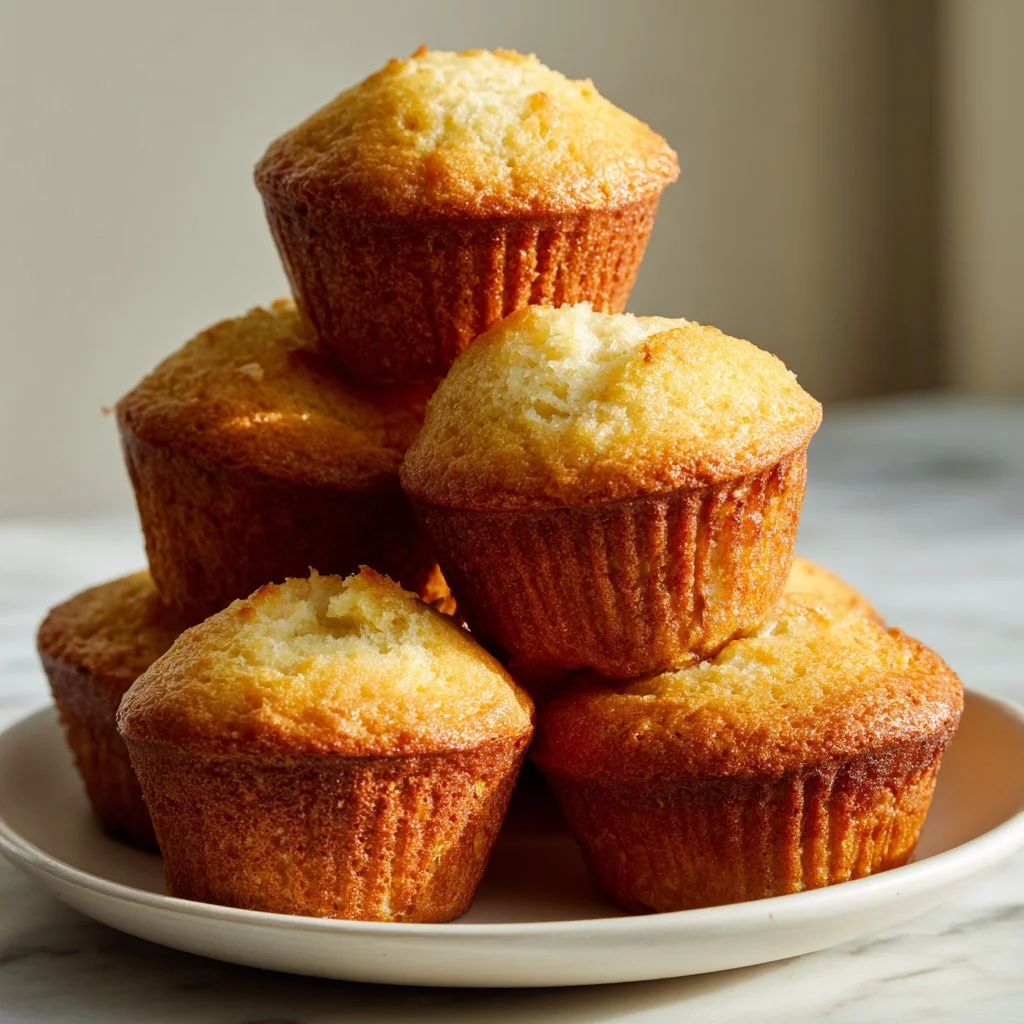
These Olive Oil Muffins have a tender, slightly dense crumb because oil coats flour proteins differently than butter. The tops are lightly domed and the crumb stays moist thanks to olive oil and buttermilk working together. Expect a gentle olive fruitiness that pairs beautifully with citrus, berries, or a sprinkle of coarse sugar.
★★★★★ “I made these on a whim and they vanished by dinner. So moist and quick — my new go-to for weekday breakfasts!” — a happy reader
Key Ingredients for Olive Oil Muffins
Flour: All-purpose flour gives structure and a tender crumb. Use fresh, well-sifted flour for an even rise; if your flour is old or clumpy, the muffins can be heavy. Swapping in whole-wheat will add nuttiness but expect a denser, drier result unless you increase the liquid.
Baking powder: The 2 teaspoons provide the primary lift and lightness here. Make sure your baking powder is active — if it’s expired the muffins will be flat and heavy. You can’t simply reduce it without sacrificing rise; however, if using self-rising flour, omit extra baking powder and salt.
Olive oil: 3/4 cup olive oil keeps the crumb moist and gives a subtle fruity note. Choose a mild or light extra-virgin olive oil for a pleasant, not overpowering flavor; robust, peppery oils will dominate. Replacing it with vegetable oil is fine for texture but loses the signature olive flavor.
Buttermilk: Buttermilk adds tang and reacts with baking soda for a tender crumb and lift. If you don’t have cultured buttermilk, mix 1 cup milk with 1 tablespoon lemon juice and let sit 5–10 minutes; the acidity is the key. Using milk instead of buttermilk will make the muffins less tangy and slightly tougher.
Full Ingredient List for Olive Oil Muffins
– 2 cups all-purpose flour
– 1/2 cup granulated sugar
– 2 tsp baking powder
– 1/2 tsp baking soda
– 1/4 tsp salt
– 3/4 cup olive oil
– 1 cup buttermilk
– 2 large eggs
– 1 tsp vanilla extract
Step-by-Step Instructions for Olive Oil Muffins
Step 1: Preheat and prepare
Preheat the oven to 375°F (190°C). Grease a muffin tin or line it with paper liners so muffins release easily. Arrange racks so muffins bake evenly; center rack is best.
Pro Tip: The oven should smell neutral and the air feel warm when you open the door; the preheated tin will make the batter set quickly and form domes.
Step 2: Whisk together dry ingredients
In a medium bowl, whisk the flour, sugar, baking powder, baking soda, and salt until evenly combined and aerated. This breaks up clumps and distributes leavening for a uniform rise.
Pro Tip: The dry mix should look pale and evenly dotted with tiny specks; no pockets of sugar or baking powder should be visible.
Step 3: Combine wet ingredients
In a separate bowl, whisk together the olive oil, buttermilk, eggs, and vanilla extract until smooth and homogenous. The oil will float at first, but vigorous whisking will create a silky emulsion.
Pro Tip: The wet mix should look glossy and slightly thickened from the eggs; you may see tiny air bubbles from whisking.
Step 4: Mix wet into dry
Gradually fold the wet ingredients into the dry ingredients, stirring just until the flour streaks disappear. Avoid overmixing; a few small lumps are fine and protect a tender crumb.
Pro Tip: The batter should be thick but pourable and ribbon off the spoon rather than clumping; it should not be glossy like cake batter, nor dry and shaggy.
Step 5: Fill muffin cups and bake
Spoon or scoop batter into the prepared muffin cups, filling each about two-thirds full to allow room for domes. Bake at 375°F (190°C) for 18–20 minutes until the tops are set and a toothpick inserted in the center comes out clean.
Pro Tip: The tops should be pale-golden with a slight springiness when touched; a clean toothpick is the final visual cue.
Step 6: Cool and finish
Let the muffins cool in the pan for a few minutes so they stabilize, then transfer to a wire rack to cool completely. This stops steam from making the bottoms soggy.
Pro Tip: Muffins should release easily from liners and feel slightly firm on their base; if they wobble, give them another minute in the pan.
Expert Tips for Olive Oil Muffins
– Temperature tips: Always preheat to 375°F (190°C). If your oven runs hot, reduce to 365°F and watch the first batch closely.
– Ingredient temperature: Use room-temperature eggs and buttermilk for the smoothest emulsion; cold ingredients can cause the batter to split.
– Texture troubleshooting: If muffins are dense, check baking powder freshness and avoid overmixing. If they’re gummy, they were likely underbaked or your measurements were off.
– Equipment tips: Use a standard 12-cup muffin tin for expected results; mini or jumbo tins require adjusted bake times. A cookie scoop gives consistent portions for uniform baking.
– Batter feel: The batter should be thick but still pourable; if too thick, add a tablespoon of buttermilk at a time until it loosens.
– Common mistakes: Don’t skip sifting or whisking the dry ingredients — uneven leavening causes lopsided rises. Also avoid opening the oven early in the bake window.
– Flavor balancing: If you want more olive oil flavor, choose a more aromatic extra-virgin oil but reduce to 2/3 cup to prevent greasiness.
– Visual cue for doneness: Look for pale-golden tops and a set center; overbaked muffins will have a dry crumb and crackly tops.
In testing, I sometimes reference a berry muffin technique from this muffin recipe for ideas about mix-in folding to avoid sinking fruit.
Storage & Freezing for Olive Oil Muffins
Fridge storage: Store cooled muffins in an airtight container in the refrigerator for up to 5 days. Layer with parchment to prevent sticking and maintain texture.
Freezer storage: To freeze, individually wrap muffins in plastic wrap then place in a freezer-safe zip bag or container. Freeze for up to 3 months for best quality.
Thawing: Thaw frozen muffins at room temperature for 1–2 hours, or microwave one wrapped in a paper towel for 20–30 seconds until warm. For best texture, refresh in a 325°F (160°C) oven for 5–7 minutes.
Best containers: Use airtight containers or rigid freezer-safe boxes to prevent the muffins getting crushed. Vacuum-seal bags extend freezer life and reduce freezer burn.
I like to freeze a batch and then reheat one when I need a quick breakfast — methods are similar to those used in other make-ahead muffin recipes like strawberry oatmeal muffins for grab-and-go mornings.
Variations & Substitutions for Olive Oil Muffins
Lemon-olive oil: Add 1 tablespoon lemon zest and 2 tablespoons lemon juice to the wet ingredients; fold in 1/2 cup poppy seeds if desired. The muffins will be brighter and slightly tangy, great with tea.
Blueberry: Fold in 3/4 cup fresh or frozen blueberries after mixing the batter. Coat frozen berries in a tablespoon of flour to keep them from sinking; expect juicy pockets and a speckled crumb.
Chocolate chip: Stir in 3/4 cup chocolate chips into the batter and reduce sugar by 2 tablespoons if you prefer less sweetness. The chocolate adds richness and pairs wonderfully with olive oil’s fruit notes.
Savory herb: Omit vanilla and add 2 tablespoons chopped fresh herbs (rosemary, thyme), 1/4 cup grated Parmesan, and a pinch more salt. These become excellent savory breakfast muffins or sandwich bases.
For each of these, keep the base ratios intact; small additions won’t require changing bake time by more than a minute or two. If you add large wet mix-ins (like applesauce), reduce other liquids slightly.
Frequently Asked Questions About Olive Oil Muffins
Q: Can I use regular milk instead of buttermilk?
A: You can, but buttermilk adds acidity that reacts with baking soda for better rise and a tender crumb. To mimic it, add 1 tablespoon lemon juice or vinegar to 1 cup milk and let it sit 5–10 minutes before using.
Q: What type of olive oil is best for Olive Oil Muffins?
A: A mild extra-virgin or light olive oil is ideal to avoid overpowering the muffin with peppery or bitter notes. Taste your oil first; if it tastes strong on its own, use a neutral oil or a lighter EVOO blend.
Q: Why did my muffins sink in the middle?
A: Sinking usually means underbaked centers, too much sugar or liquid, or overmixing the batter (which weakens structure). Confirm oven temperature with an oven thermometer and test with a toothpick.
Q: Can I make these into muffins for dietary needs (vegan, gluten-free)?
A: For vegan muffins, replace eggs with flax eggs (2 tbsp flax + 6 tbsp water) and use plant-based milk with a tablespoon of lemon juice. For gluten-free, use a 1:1 gluten-free flour blend and add a teaspoon of xanthan gum if the blend lacks it; expect slightly different crumb and bake time adjustments.
Q: How can I make the tops shinier or more bakery-like?
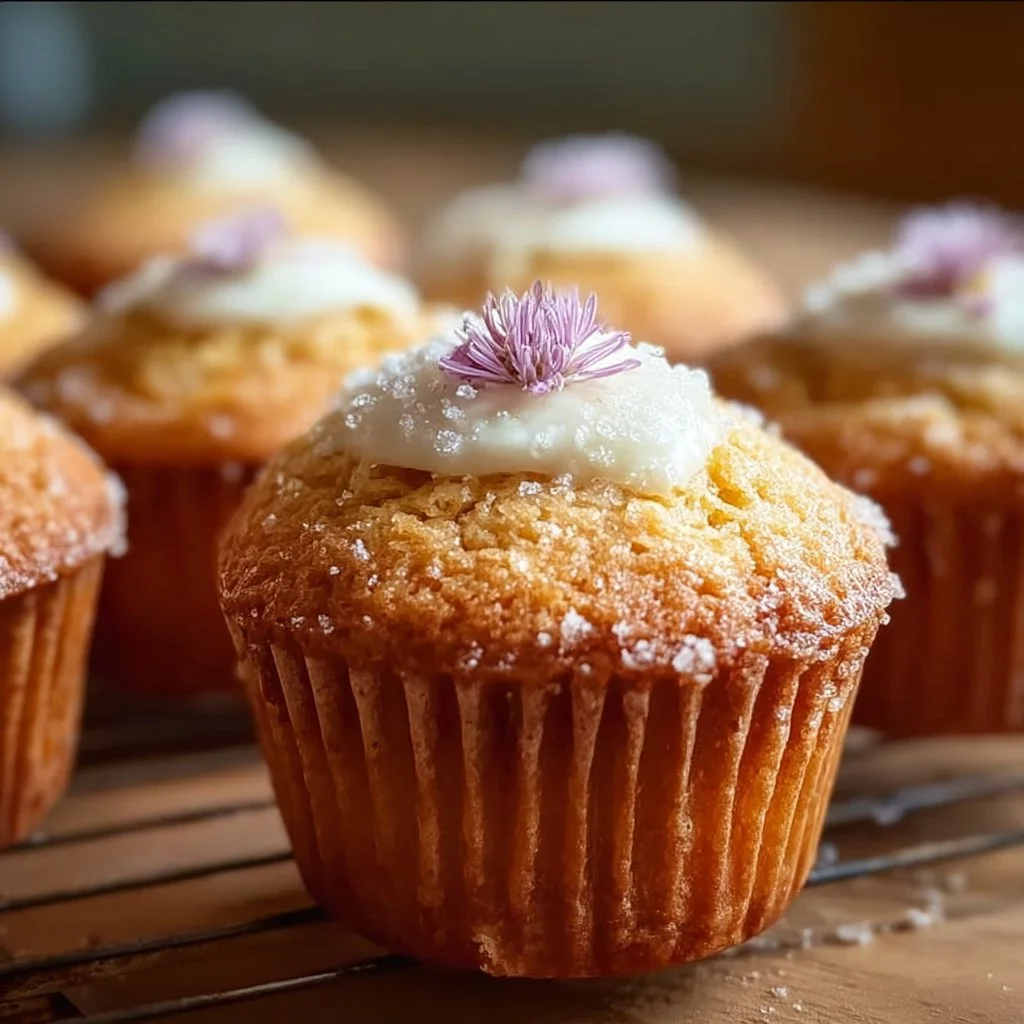
A: Brush lightly with simple syrup (1 part sugar dissolved in 1 part water) right after baking for a shiny finish, or sprinkle coarse sugar before baking for sparkle and crunch.
Final Thoughts on Olive Oil Muffins
These Olive Oil Muffins are fast, forgiving, and endlessly adaptable for sweet or savory tweaks. Pin this recipe and leave a star rating in the recipe card below if you tried them.
Conclusion: Olive Oil Muffins
For inspiration and variations that lean into olive oil baking, see David Lebovitz’s take on an Olive Oil Muffin recipe – David Lebovitz which explores texture differences and flavor.
If you want a fruit-forward adaptation, check this healthier spin on blueberry muffins made with olive oil from Healthy Blueberry Muffins (made with olive oil) – Bowl of Delicious.
For a bright citrus twist and vegan-friendly method, try the Lemon Olive Oil Muffins guide at Lemon Olive Oil Muffins (Vegan and Delicious!) – Delish Knowledge.
Olive Oil Muffins
Ingredients
Method
- Preheat the oven to 375°F (190°C) and grease a muffin tin or line it with paper liners.
- In a medium bowl, whisk together the flour, sugar, baking powder, baking soda, and salt until combined.
- In a separate bowl, whisk together the olive oil, buttermilk, eggs, and vanilla extract until smooth.
- Gradually fold the wet ingredients into the dry ingredients until no flour streaks remain.
- Spoon the batter into the muffin cups, filling each about two-thirds full. Bake for 18-20 minutes until the tops are set and a toothpick comes out clean.
- Let the muffins cool in the pan for a few minutes before transferring them to a wire rack to cool completely.