
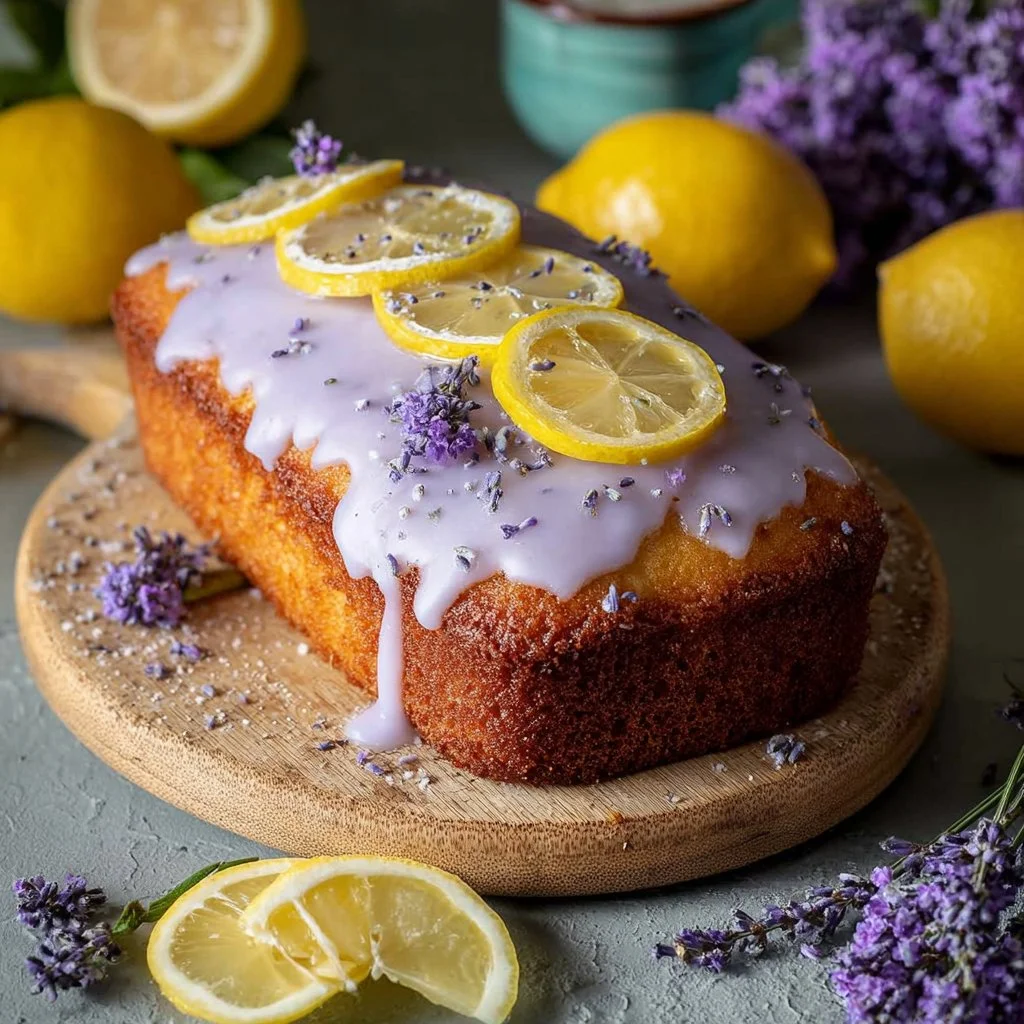
Bright, floral, and unexpectedly comforting—this Lemon Lavender Cake is a simple recipe that tastes like spring.
It’s light enough for afternoon tea and special enough for a small celebration.
Try it when you want something pretty that’s easy to make and forgiving.
If you’re collecting cakes, see my cake collection for more inspiration.
Why You’ll Love This Lemon Lavender Cake
– Bright lemon flavor without being puckering.
– Gentle floral notes that never overpower.
– Tender crumb that’s easy to slice.
– Simple pantry ingredients with a gourmet lift.
– Fast to mix and quick to bake.
– Excellent with tea, coffee, or a scoop of ice cream.
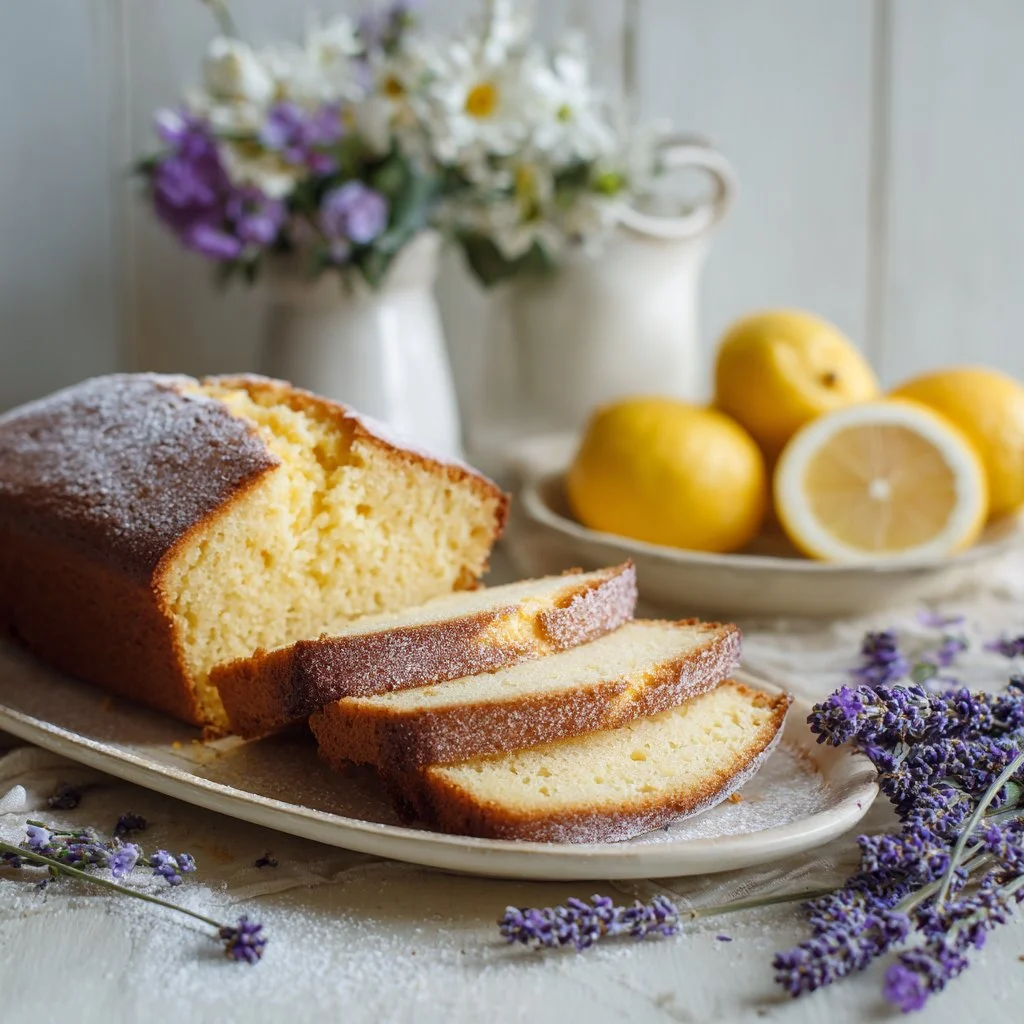
This cake has a fine, tender crumb and a soft, buttery mouthfeel. The lemon gives a clean citrus snap while the lavender adds a subtle perfume that lingers without tasting soapy. Texture-wise it’s moist but not dense, with a lightly golden crust and even crumb that holds a glaze beautifully.
“5 stars — I made this for Mother’s Day and everyone asked for the recipe. Lemon-forward, delicate lavender, and the glaze was perfect.” — Reader K.
Key Ingredients for Lemon Lavender Cake
All-purpose flour
All-purpose flour provides the structure for this cake through gluten formation. Choose a well-known brand and spoon the flour into the measuring cup for accuracy; too much makes the cake dense. If you substitute cake flour, the crumb will be softer and more tender, but you may need to reduce mixing to avoid collapse.
Unsalted butter, softened
Butter is the flavor backbone and helps create a tender crumb when creamed with sugar. Use real unsalted butter rather than margarine for best taste; soften it to room temperature so it creams evenly. If you swap for oil, the cake will be moister but lose some of the rich butter flavor and won’t cream with sugar the same way.
Fresh lemon juice and zest
Fresh lemon juice gives bright acidity and real citrus flavor that bottled juice can’t match, while the zest contains essential oils for aroma. Buy unwaxed lemons if possible and zest before juicing. Substituting bottled lemon juice results in flatter flavor; you can increase zest to compensate for better aroma.
Dried culinary lavender
Culinary lavender adds the signature floral note; use food-grade lavender labeled for cooking. Buy from a reputable supplier and avoid sachet or craft-lavender blends that may include non-edible parts. If you skip lavender, the cake becomes a straightforward lemon cake; overdo it and the flavor will turn perfumey, so measure carefully.
Full Ingredient List for Lemon Lavender Cake
– 1 1/2 cups all-purpose flour
– 1 cup granulated sugar
– 1/2 cup unsalted butter, softened
– 2 large eggs
– 1/2 cup milk
– 2 tablespoons fresh lemon juice
– Zest of 1 lemon
– 1 teaspoon dried culinary lavender
– 1 1/2 teaspoons baking powder
– 1/4 teaspoon salt
Step-by-Step Instructions for Lemon Lavender Cake
Step 1: Preheat the oven and prepare the pan
Preheat your oven to 350°F (175°C). Grease and flour a 9-inch round cake pan, tapping out excess flour so the cake releases easily.
Pro Tip: The pan should look evenly coated with butter and a thin dusting of flour; no wet patches.
Step 2: Cream butter and sugar
In a large mixing bowl, cream together the softened butter and sugar until the mixture is light in color and fluffy. This step traps air which helps the cake rise.
Pro Tip: The creamed mixture should look pale and slightly airy — about the size of whipped frosting bubbles.
Step 3: Add the eggs and lemon
Add the eggs one at a time, mixing well after each addition, then stir in the fresh lemon juice and lemon zest. Mix until smooth and homogeneous.
Pro Tip: The batter should smell bright and citrusy and feel slightly glossy, not curdled.
Step 4: Combine dry ingredients
In another bowl, whisk together the flour, baking powder, salt, and dried lavender so everything is evenly distributed. This prevents pockets of baking powder or lavender clusters.
Pro Tip: The dry mix should look uniform with tiny lavender specks dispersed through the flour.
Step 5: Alternate dry ingredients with milk
Gradually add the dry ingredients to the wet mixture, alternating with the milk, beginning and ending with flour. Mix only until just combined for a tender crumb.
Pro Tip: Stop mixing when streaks of flour disappear; the batter should be thick but pourable and show fine air bubbles.
Step 6: Transfer batter to pan
Pour the batter into the prepared cake pan and smooth the top with a spatula to ensure even baking. Tap the pan gently on the counter to release any large air pockets.
Pro Tip: The surface should be smooth and level with no big air holes; it will settle slightly in the oven.
If you enjoy cupcakes, this batter also makes great single-serving cakes — see a similar approach in my chocolate carrot patch cupcakes for tips on timing and pan prep.
Step 7: Bake the cake
Bake for 25–30 minutes, or until a toothpick inserted into the center comes out clean. Rotate the pan halfway through if your oven has hot spots.
Pro Tip: The top should be lightly golden and spring back gently when pressed.
Step 8: Cool before removing
Let the cake cool in the pan for 10 minutes, then turn it out onto a wire rack to cool completely. Cooling on a rack prevents a soggy bottom.
Pro Tip: The cake should release from the pan easily and feel slightly warm, not hot, to the touch.
Step 9: Make and apply the lavender glaze
For the lavender glaze, mix powdered sugar with a bit of milk and a touch of lavender extract until smooth. Drizzle the glaze over the completely cooled cake and let it set.
Pro Tip: The glaze should be thick enough to hold shape but thin enough to drizzle; it will form a soft, shiny skin as it dries.
You can find more plated dessert ideas that pair well with tea-time cakes in this Biscoff Cookie Butter Cheesecake Cookies post.
Expert Tips for Lemon Lavender Cake
– Use room-temperature ingredients for even mixing and better emulsification; cold eggs and milk can break the batter.
– If the cake is dense, check your measuring method: spoon and level flour rather than scooping.
– For even browning, position the oven rack in the center and preheat fully before baking.
– Sift the powdered sugar for the glaze to avoid lumps and ensure a silky finish.
– Invest in a good 9-inch round pan and a reliable instant-read thermometer for accurate doneness checks.
– If the top browns too quickly, tent with foil to allow the center to finish baking without burning.
– Avoid overmixing after adding flour; mix until just combined to preserve a tender crumb.
– Use kitchen scissors to cut a small notch in the baking paper for easy pan release if lining the pan.
Storage & Freezing for Lemon Lavender Cake
Fridge storage: Store the glazed cake in an airtight container for up to 4 days. Refrigeration keeps the glaze set and the crumb fresh, but bring to room temperature before serving for best flavor.
Freezer storage: Wrap the cooled, unglazed cake tightly in plastic wrap and then foil. Freeze for up to 3 months. For slices, flash-freeze on a tray, then wrap individually.
Thawing: Thaw frozen cake in the refrigerator overnight or at room temperature for 1–2 hours. Avoid microwaving to thaw whole slices; instead, microwave briefly in 10–15 second bursts if you must.
Reheating: Warm a slice in a 300°F oven for 5–8 minutes wrapped in foil for a just-baked feel. This revives aroma and softens slightly.
Variations & Substitutions for Lemon Lavender Cake
– Lemon-Lavender Cupcakes: Divide batter into a lined muffin tin and bake 16–20 minutes. Result is portable, with the same flavor in individual portions.
– Honey-Lavender Twist: Replace half the sugar with honey and reduce milk by 1–2 tablespoons. This yields a deeper, floral sweetness and moister crumb.
– Almond-Lemon Lavender: Replace 1/4 cup flour with 1/4 cup almond flour for a nutty note. Texture becomes slightly more tender and the cake gains subtle almond aroma.
– Lemon-Lavender Layer Cake: Double the recipe to make two 9-inch layers and use a light lemon buttercream between them. The extra frosting amplifies lemon flavor and makes an elegant celebration cake.
Frequently Asked Questions About Lemon Lavender Cake
Q: Can I use fresh lavender instead of dried culinary lavender?
A: Fresh lavender can be used but it’s often more robust; use 2–3 times the amount by volume and strip the small flowers from the stems. Test a small amount first because fresh lavender’s moisture can alter batter hydration slightly.
Q: Will the glaze become hard if I add too much milk?
A: Yes, adding extra milk thins the glaze and can prevent it from setting properly. Aim for a thick drizzle consistency. If it’s too thin, add more powdered sugar; if too thick, add milk sparingly.
Q: Can I reduce the sugar in this cake?
A: You can reduce sugar by about 10–15% without major texture changes, but sugar contributes to browning, tenderness, and overall balance. For a noticeable reduction, consider increasing lemon zest to maintain brightness.
Q: How do I avoid a soapy taste from lavender?
A: Use culinary-grade lavender and measure precisely. The soapy flavor comes from overuse or non-culinary lavender types. Start with 1 teaspoon dried and adjust in future bakes if desired.
Q: Can I make this cake dairy-free or vegan?
A: For dairy-free, use a plant-based milk and dairy-free butter. For vegan, replace eggs with flax or chia egg substitutes (1 tablespoon ground flax + 3 tablespoons water per egg) and use a vegan butter. Texture will be slightly different; expect a denser crumb.
Final Thoughts on Lemon Lavender Cake
This Lemon Lavender Cake is an accessible way to bring floral elegance to any table with minimal fuss. Leave a star rating in the recipe card below and pin this cake to your boards for later.
You can compare variations and step-by-step photos with the Lemon Lavender Cake Recipe – Sugar & Sparrow, explore a layered Swiss meringue approach at Lemon Lavender Cake with Swiss Meringue Buttercream, or see another home-style take at Lemon Lavender Cake – Live to Sweet.