
A warm, olive-oil–kissed focaccia that’s naturally gluten-free? Yes—this one delivers the soft crumb and crisp edges everyone misses.
It’s simple, quick, and forgiving, which makes it a perfect weeknight or entertaining bread.
If you’re new to gluten-free baking, this recipe is a great confidence-builder and a pantry-friendly staple.
I often pair a slice with soup, but it’s equally good torn into pieces for dipping. For another easy bake that’s gluten-free and bright, try this gluten-free lemon cupcake recipe for dessert.
Why You’ll Love This Gluten-Free Focaccia Bread: Discover the Perfect Recipe!
- Fast rise time — ready in under an hour.
- Tender interior with a golden, crunchy top.
- No kneading required, so it’s low-effort.
- Uses pantry staples most home bakers already own.
- Easily customizable with herbs, olives, or garlic.
- Great for sandwiches or as a side for salads and soups.
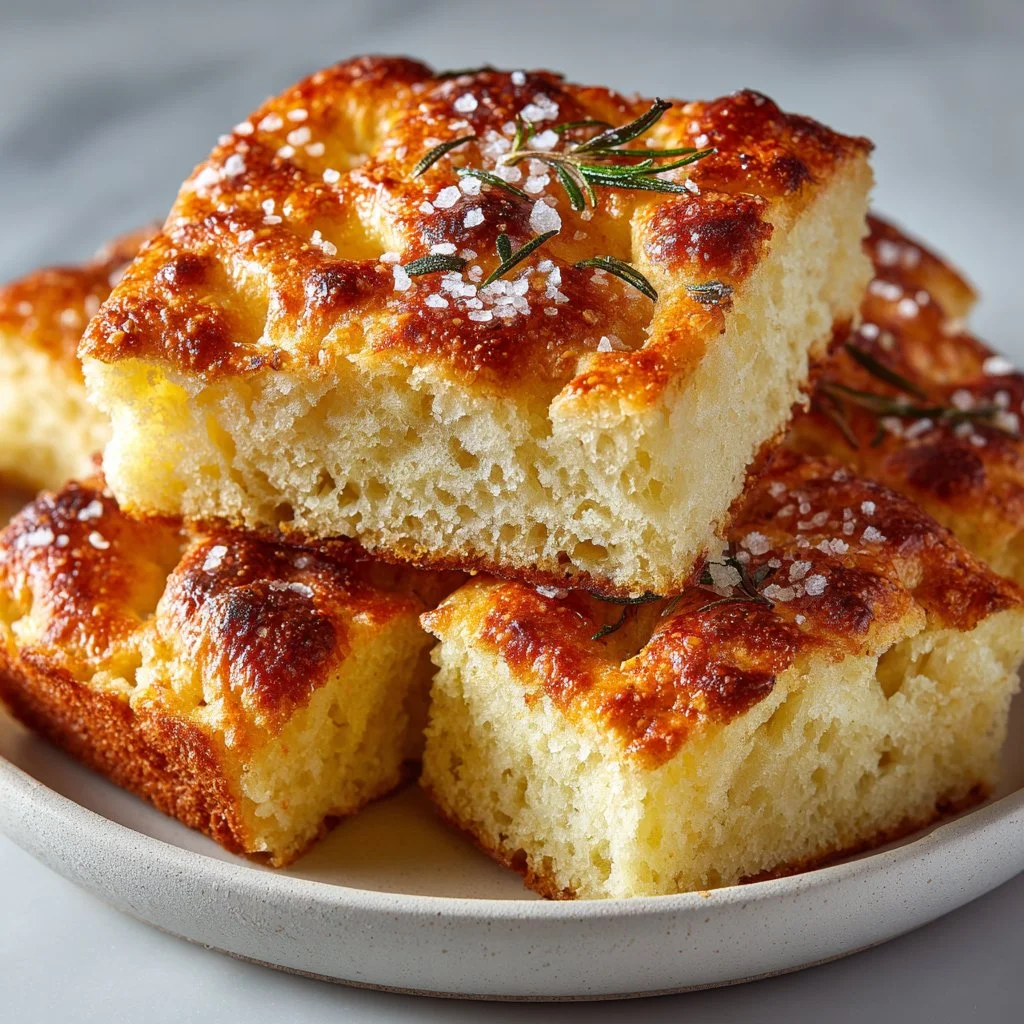
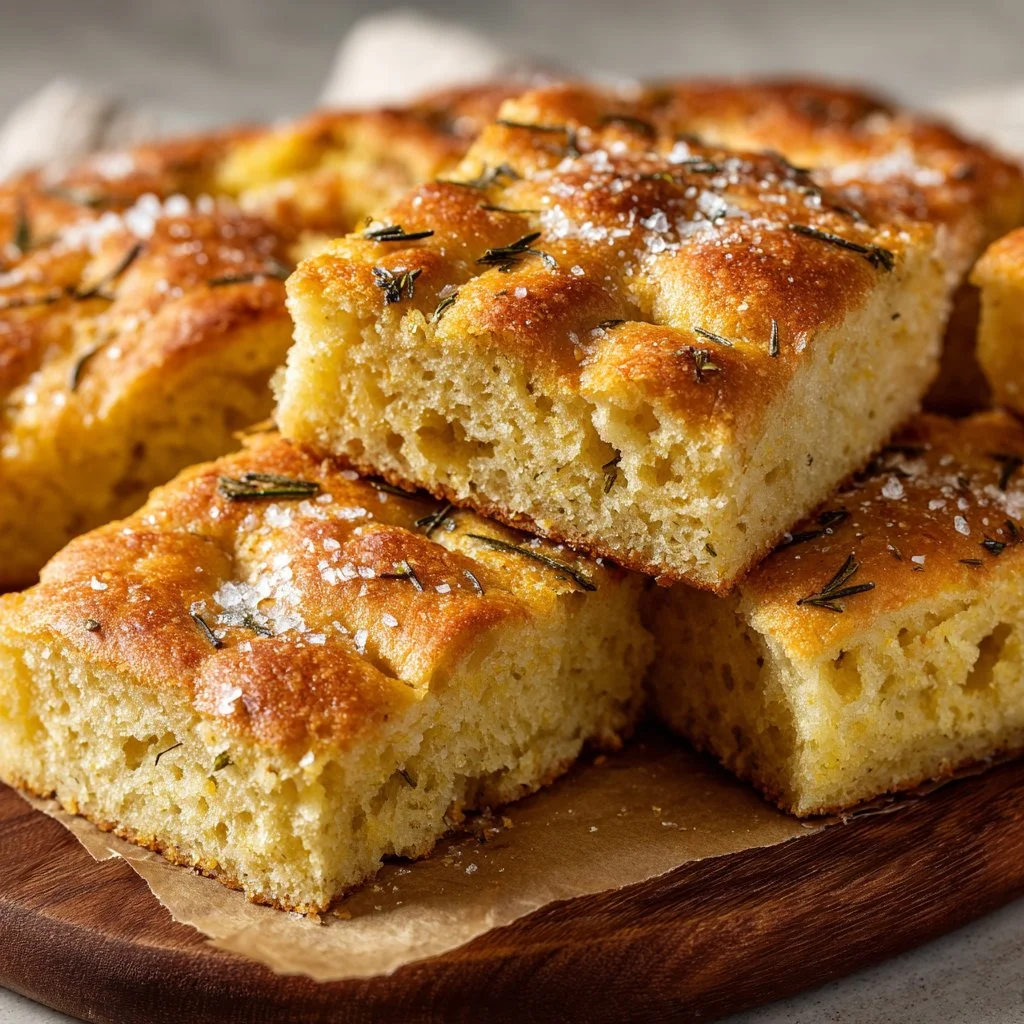
This focaccia balances a pillowy interior with a crisped surface thanks to olive oil and a hot oven. The crumb is moist without being dense, and the coarse sea salt on top gives that irresistible savory contrast. The rosemary adds an aromatic lift, but the base flavor is rich and versatile.
"I’d given up on bread until I tried this — soft, fragrant, and it actually tastes like focaccia. 5/5!" — A delighted reader
Key Ingredients for Gluten-Free Focaccia Bread: Discover the Perfect Recipe!
-
Gluten-free all-purpose flour (2 cups)
Gluten-free AP flour is the foundation here; it provides structure and the crumb you expect from focaccia. When buying, choose a blend that contains xanthan gum or a binding mix—this helps mimic gluten’s elasticity. If you substitute with a single flour (like rice or almond), the texture will be crumbly or dense unless you rebalance with starches and binders. -
Instant yeast (1 packet / 2 1/4 teaspoons)
Instant yeast gives reliable rise and consistent flavor in a short time. Look for fresh packets within their best-by date and store unopened packs in the fridge or freezer for maximum life. Using active dry yeast is acceptable, but you’ll need to proof it in warm water first and expect a slightly longer rise. -
Olive oil (1/4 cup + drizzle)
Olive oil adds flavor, softness, and the golden crust that defines focaccia. Use a good extra-virgin oil for the finishing drizzle and a lighter olive oil for greasing and dough mixing if you want less peppery notes. Substituting neutral oil (canola) will still work but loses the classic olive fragrance and taste. -
Warm water (1 cup)
Warm water activates the yeast and determines dough hydration. Aim for water between 100–110°F (38–43°C) — too hot and you’ll kill the yeast; too cool and the rise will be slow. If you swap part of the water for milk or a dairy-free milk, you’ll get a slightly richer crumb but may change browning.
Full Ingredient List for Gluten-Free Focaccia Bread: Discover the Perfect Recipe!
- 2 cups gluten-free all-purpose flour
- 1 teaspoon salt
- 1 tablespoon sugar
- 1 packet (2 1/4 teaspoons) instant yeast
- 1 cup warm water
- 1/4 cup olive oil
- 1 teaspoon dried rosemary (optional)
- Coarse sea salt for topping
Step-by-Step Instructions for Gluten-Free Focaccia Bread: Discover the Perfect Recipe!
Step 1: Combine dry ingredients
In a large bowl, whisk together the gluten-free flour, salt, sugar, and instant yeast until evenly distributed. A uniform mix ensures the yeast and salt don’t sit in one spot and affects the rise.
Pro Tip: The dry mix should look uniform with no clumps; the salt should not be visibly concentrated in one area.
Step 2: Add liquids and form dough
Pour the warm water and 1/4 cup olive oil into the dry ingredients. Stir with a sturdy spoon until the mixture comes together into a smooth, slightly sticky dough. The dough won’t be elastic like gluten dough, but it should hold together and be easy to spread.
Pro Tip: The dough will feel tacky but not runny; when you pull a piece, it should stretch slightly and not fall apart.
Step 3: Let the dough rise briefly
Cover the bowl with a damp cloth and place it in a warm, draft-free spot for about 30 minutes. The dough should puff up noticeably but won’t double like wheat-based doughs.
Pro Tip: Look for small bubbles on the surface and a visible expansion of volume; it should look aerated and slightly domed.
Step 4: Preheat and prep the pan
Preheat your oven to 425°F (220°C). Grease a baking sheet generously with olive oil, making sure the oil coats the corners. Transfer the dough to the pan and press it out with oiled fingers to your desired thickness.
Pro Tip: The dough should spread smoothly across the pan and hold dimples when pressed; if it cracks, add a teaspoon of water and press again.
Step 5: Dimple, season, and bake
Use your fingers to create deep dimples across the surface, drizzle additional olive oil over the top, then sprinkle with rosemary and coarse sea salt. Bake for 20–25 minutes, or until the top is golden brown and the edges are crisp.
Pro Tip: The top should be a warm, glossy gold and the edges should pull slightly from the pan when ready; a toothpick inserted should come out clean of raw batter.
Step 6: Cool and serve
Remove from the oven and let the focaccia cool slightly on a rack for 10 minutes before slicing and serving. This short rest firms the crumb and concentrates the flavor.
Pro Tip: The interior should be steam-warm and tender; slicing too hot can compress the crumb, while slicing too cold makes it firmer.
Expert Tips for Gluten-Free Focaccia Bread: Discover the Perfect Recipe!
- Use a reliable gluten-free flour blend with binders included for best texture; if yours lacks xanthan gum, add 1/2 teaspoon per 2 cups of flour.
- Water temperature matters: 100–110°F (38–43°C) wakes the yeast without killing it; too cool and the rise stalls.
- Don’t overwork the dough — gluten-free dough benefits from minimal mixing to avoid a gummy texture.
- If your focaccia feels dense, increase hydration by 1–2 tablespoons next time; a slightly wetter dough yields a more open crumb.
- Equipment tip: a rimmed baking sheet or half-sheet pan gives the best edge-to-center rise; glass pans brown differently, so reduce oven time by a few minutes if using glass.
- For crispier edges, finish with a quick broil for 1–2 minutes while watching closely.
- Common mistake: adding too much flour while shaping; if the dough resists, wet your fingers rather than adding flour.
- Flavor layering: brush the top with good olive oil immediately after baking to enhance sheen and aroma.
Storage & Freezing for Gluten-Free Focaccia Bread: Discover the Perfect Recipe!
In the fridge: Store cooled focaccia in an airtight container or wrapped tightly in plastic wrap for up to 3 days. For best texture, place a paper towel inside to absorb excess moisture.
In the freezer: Wrap cooled slices or the whole loaf tightly in plastic wrap and then in foil, or use a freezer-safe zip-top bag. Freeze for up to 3 months for best quality.
Thawing: Thaw overnight in the fridge, or at room temperature for 1–2 hours if you need it sooner. Avoid microwaving from frozen as that can make the crumb gummy.
Reheating: For a fresh-baked texture, reheat slices at 350°F (175°C) on a baking sheet for 8–10 minutes, or use a toaster oven for 4–6 minutes. A quick brush of olive oil before reheating will restore a crisp surface.
Variations & Substitutions for Gluten-Free Focaccia Bread: Discover the Perfect Recipe!
Herbed Garlic Focaccia
Add 2 cloves minced garlic to the dough and top with chopped fresh thyme and rosemary before baking. You’ll get aromatic, savory bites perfect for serving with pasta or roasted vegetables.
Olive and Sun-Dried Tomato Focaccia
Press halved Kalamata olives and chopped sun-dried tomatoes into the dough before baking. The result is a Mediterranean-forward loaf with briny pops and chewy, tangy notes.
Cheesy Focaccia
Sprinkle grated Parmesan or finely shredded mozzarella over the top before baking and again for the last 2 minutes of baking. This creates a melty, golden cheese crust that’s irresistible warm.
No-Rise Overnight Focaccia
Mix the dough, press into an oiled pan, cover tightly, and refrigerate overnight. Bake the next day directly from the fridge; you’ll achieve deeper flavor from slow fermentation and convenient timing.
Frequently Asked Questions About Gluten-Free Focaccia Bread: Discover the Perfect Recipe!
Q1: How do I know my gluten-free focaccia is fully cooked?
A1: The top should be a deep golden color and the edges slightly pull away from the pan. Tap the crust — it should sound hollow. Internally, the crumb should spring back when pressed gently and not feel wet or doughy. If unsure, a toothpick in the center should come out clean.
Q2: Can I make this focaccia dairy-free or vegan?
A2: Yes. The base recipe is already dairy-free if you use water and olive oil only. To add a richer flavor you might swap some water for unsweetened plant milk, but avoid buttery toppings unless using vegan butter for a richer finish.
Q3: Why is my gluten-free focaccia gummy sometimes?
A3: Gummy texture usually comes from too much moisture, overmixing, or using a flour blend with too high a starch ratio. Adjust hydration slightly (reduce water by a tablespoon), mix minimally, and use a balanced all-purpose GF blend with binders to reduce gumminess.
Q4: Can I prepare the dough in advance?
A4: Yes — after mixing, cover and refrigerate the dough for up to 24 hours. Bring it to room temperature before pressing and baking. Overnight fermentation deepens flavor and makes shaping easier.
Q5: What’s the best way to add toppings without weighing the dough down?
A5: Press toppings gently into the dimples so they sit on the surface rather than sinking. Use oil as an adhesive for herbs and lighter toppings; reserve heavy ingredients (like thick slices of tomato) for partial baking to avoid sogginess.

Final Thoughts on Gluten-Free Focaccia Bread: Discover the Perfect Recipe!
If this recipe rescued your focaccia dreams, please leave a star rating in the recipe card below and pin it to Pinterest for later. For inspiration and alternate methods, check a tested commercial version at Focaccia Recipe | Pamela’s Products, a home cook’s take at Gluten Free Focaccia Bread, and a no-knead approach at Gluten Free No Knead Focaccia.
Gluten-Free Focaccia Bread
Ingredients
Method
- In a large bowl, whisk together the gluten-free flour, salt, sugar, and instant yeast until evenly distributed.
- Pour the warm water and olive oil into the dry ingredients. Stir with a sturdy spoon until the mixture forms a smooth, slightly sticky dough.
- Cover the bowl with a damp cloth and let the dough rise in a warm, draft-free spot for about 30 minutes.
- Preheat your oven to 425°F (220°C) and grease a baking sheet generously with olive oil.
- Transfer the dough to the pan, spreading it out with oiled fingers to your desired thickness.
- Create deep dimples across the surface, drizzle olive oil over the top, and sprinkle with rosemary and coarse sea salt.
- Bake for 20-25 minutes, or until the top is golden brown and the edges are crisp.
- Remove from the oven and let cool for 10 minutes before slicing and serving.