
This Italian Herbs and Cheese Bread is one of those weeknight wins that looks impressive but is truly simple to make.
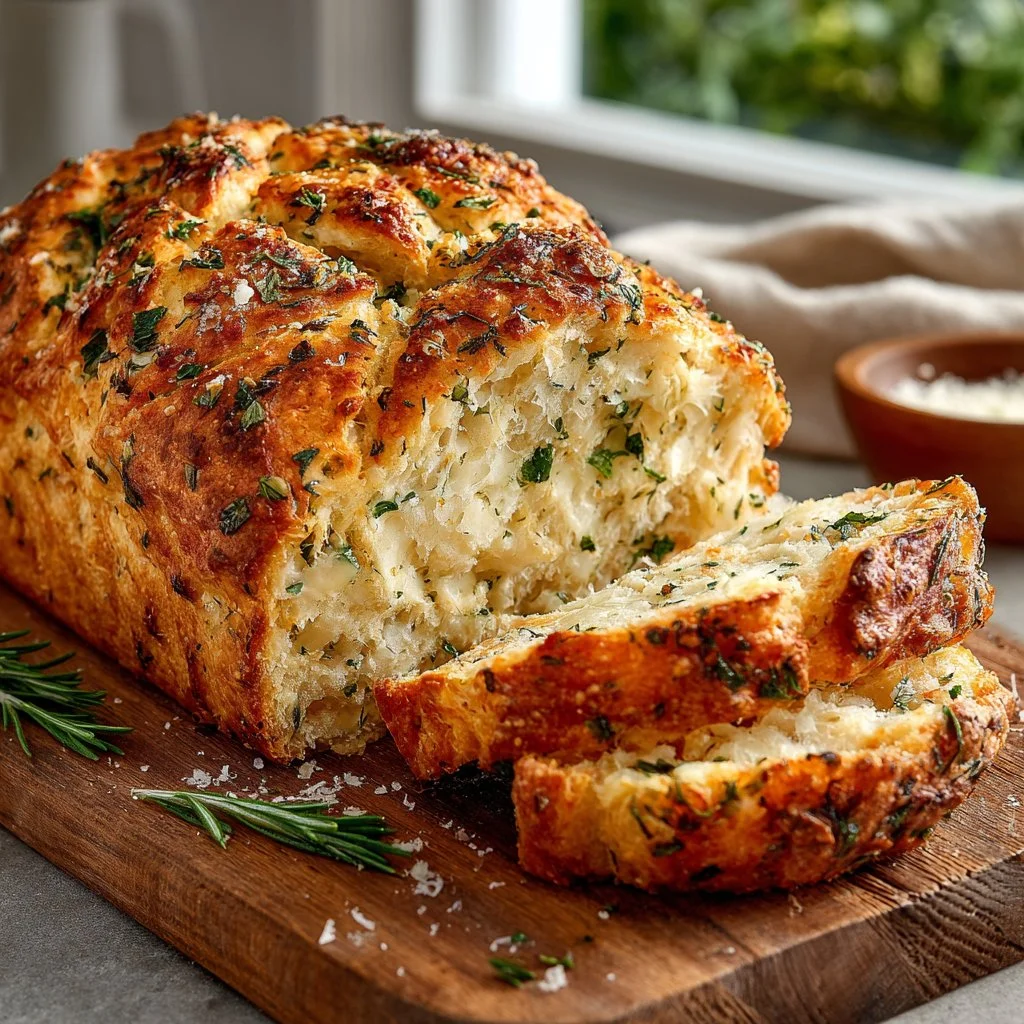
Warm, herby aroma fills the kitchen as it bakes, and the crust shatters to reveal cheesy, tender crumb inside.
You can make this with pantry staples and it pairs beautifully with salads, soups, and midweek dinners.
If you enjoy quick, satisfying bakes, this loaf will become a repeat favorite, and for a green breakfast boost try my green grape and kale smoothie alongside it.
Why You’ll Love This Italian Herbs and Cheese Bread
- Crispy, golden crust with an open, tender crumb.
- Richly savory from two kinds of cheese without being greasy.
- Fast-rise technique keeps the process under control.
- Rustic boule shape makes an impressive centerpiece.
- Easy pantry ingredients with big flavor payoff.
- Flexible: swap cheeses or herbs to match your mood.
- Great for slicing thick for sandwiches or thin with dipping oil.
The taste is a balanced savory blend of oregano, basil, and thyme, layered with creamy mozzarella and nutty Parmesan. Texture is a contrast: a crackly exterior and a soft, slightly chewy interior studded with melted strings of mozzarella.
“5⭐ — I doubled this recipe for a dinner party and everyone asked for the recipe. The crust was perfect and the herbs made it taste like we were at an Italian bakery.” — Jenna R.
Key Ingredients for Italian Herbs and Cheese Bread
Flour matters most. Use high-quality all-purpose flour for predictable gluten development and structure. If you switch to bread flour you’ll get a slightly chewier crumb; whole-wheat will make the loaf denser and you may need more water.
Yeast is your lift. Active dry yeast gives a reliable rise and strong flavor if you proof it in warm water first. Instant yeast can be used straight in the flour but may change rise timing slightly.
Cheese is flavor and texture. Shredded mozzarella melts into long, gooey strands while grated Parmesan adds savory, nutty depth. Substituting a softer cheese like fontina increases melt, while sharper Pecorino will intensify saltiness.
Olive oil and Italian herbs finish the dough. The oil tenderizes the crumb and helps crust color; the mixed oregano, basil, and thyme are what give this bread its unmistakable Italian character. If you omit herbs, the loaf will still be good but lack aromatic lift.
Full Ingredient List for Italian Herbs and Cheese Bread
- 4 cups all-purpose flour (480 grams)
- 1 ½ cups warm water (360 ml, about 110°F or 43°C)
- 2 ¼ teaspoons active dry yeast (1 packet)
- 1 teaspoon salt (6 grams)
- 2 tablespoons olive oil (30 ml)
- 2 teaspoons Italian herbs (oregano, basil, thyme) (10 grams, mixed)
- 1 cup shredded mozzarella cheese (100 grams)
- ½ cup grated Parmesan cheese (50 grams)
Step-by-Step Instructions for Italian Herbs and Cheese Bread
Step 1: Activate the yeast
Combine the warm water and active dry yeast in a small bowl and let it sit for 5–10 minutes. Wait until the surface is frothy and has a light yeasty scent before using.
Pro Tip: The mixture should look bubbly and smell faintly of bread; no foam or odd smells means the yeast is likely dead.
Step 2: Mix the dry ingredients
Whisk together the all-purpose flour, salt, and Italian herb blend in a large mixing bowl so the salt and herbs are evenly distributed.
Pro Tip: The flour should look uniform in color with little flecks of herbs spread throughout.
Step 3: Combine wet and dry ingredients
Pour the frothy yeast mixture and olive oil into the dry ingredients, stirring until a shaggy dough forms with no large dry patches.
Pro Tip: The dough should cling together but still feel slightly sticky; it shouldn’t appear cracked or dusty.
Step 4: Knead the dough
Turn the dough onto a floured surface and knead for 8–10 minutes until it becomes smooth and elastic. Use the heel of your hand to push and fold in a rhythmic motion.
Pro Tip: After kneading the surface should be smooth and the dough will pass the windowpane test when stretched gently.
Step 5: Incorporate the cheese
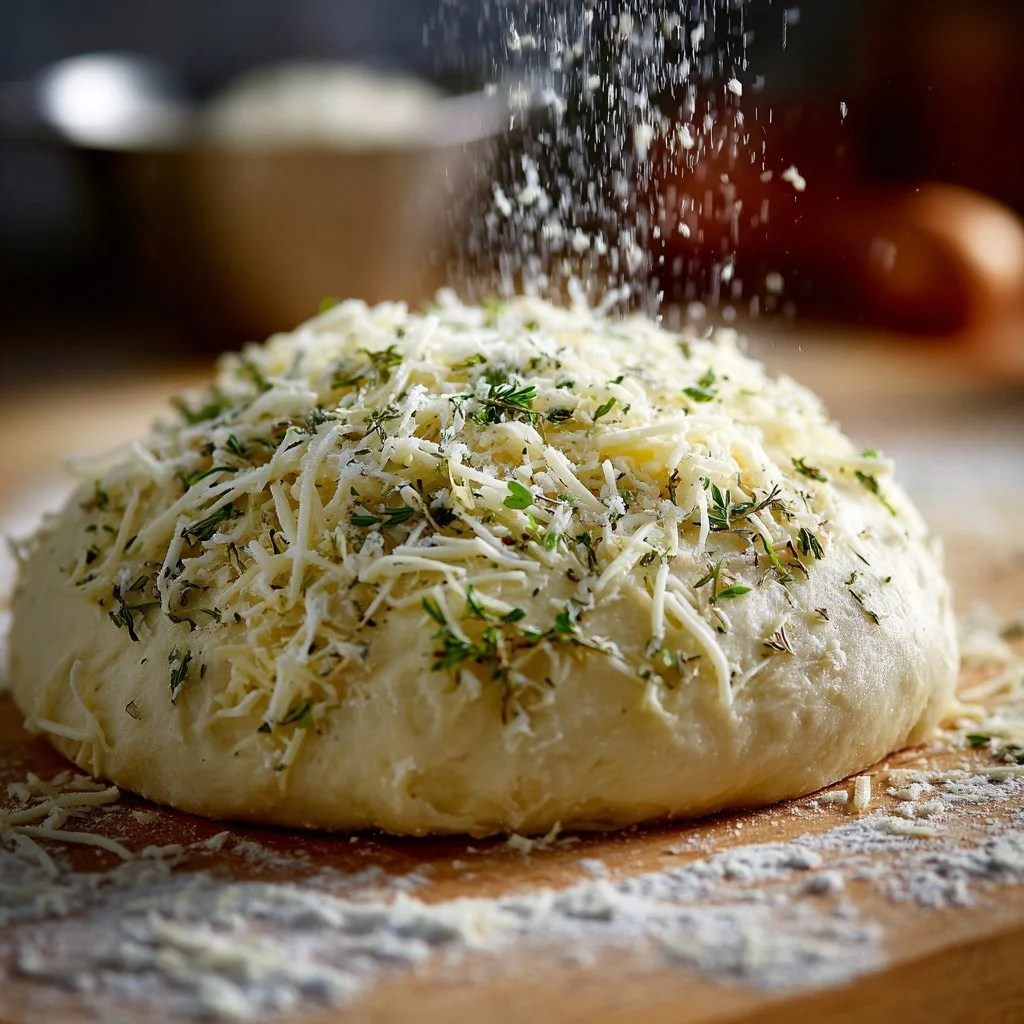
Flatten the dough into a rough rectangle and distribute the shredded mozzarella and grated Parmesan across the surface. Fold the dough over the cheese and knead gently until the cheese is well dispersed but small pockets remain.
Pro Tip: You should see visible specks of cheese inside the dough and occasional melted streaks after brief handling; avoid over-kneading or the cheese will get fully absorbed and reduce pockets.
Step 6: First rise
Place the dough in a greased bowl, cover with a damp cloth, and let it rise for 1–2 hours until doubled in size and aerated.
Pro Tip: The dough should puff visibly and look domed; press lightly with a finger and the indentation should slowly bounce back.
Step 7: Shape the bread
Gently deflate the dough, shape it into a round boule by folding edges into the center, then flip and tighten the surface by cupping and rotating.
Pro Tip: The shaped boule should hold its form on the parchment and have a taut outer skin without large air bubbles.
Step 8: Second rise
Place the shaped dough on a parchment-lined baking sheet and let it rise again for 30–45 minutes until noticeably puffed.
Pro Tip: The dough should increase in volume by roughly 30–50% and feel aerated when nudged.
Step 9: Preheat the oven
Preheat your oven to 425°F (220°C) at least 20 minutes before baking so it’s fully up to temperature.
Pro Tip: The oven should feel very hot when you open it and a quick steam test on a baking stone should sizzle.
Step 10: Score the bread
Use a sharp blade to make shallow slashes across the surface to control expansion and create a decorative pattern.
Pro Tip: The cuts should be clear clean lines ¼-inch deep; ragged or shallow slashes won’t open properly.
Step 11: Bake the bread
Bake for 25–30 minutes until the loaf is deep golden brown and an instant thermometer reads 190°F (88°C) in the center.
Pro Tip: The crust should be richly browned and sound hollow when tapped on the bottom.
Step 12: Cool before slicing
Transfer the bread to a wire rack and cool for at least 20 minutes; slicing too early will gum the crumb.
Pro Tip: The loaf should still feel warm but set; the cheese pockets will firm slightly as it cools.
Pro Tip: If you have leftover shredded cheese, consider saving it for desserts or cookies; an unexpected idea is pairing it with a sweet treat like Biscoff cookie butter cheesecake cookies in your baking rotation.
Expert Tips for Italian Herbs and Cheese Bread
- Temperature matters: Aim for 105–115°F (40–46°C) when activating yeast; hotter water can kill it and colder water slows activity.
- Dough texture troubleshooting: If the dough stays sticky after kneading, add a teaspoon of flour at a time; if it’s dry and tears, add a teaspoon of water.
- Oven setup: Use a baking stone or a preheated sheet for better bottom crust; a small pan of water in the oven increases steam and improves oven spring.
- Cheese distribution: Freeze shredded mozzarella for 10 minutes before folding in to reduce shredding into the dough completely; this preserves little pockets of cheese.
- Equipment tip: A bench scraper makes shaping and transferring the boule easy and keeps your hands less sticky.
- Common mistake: Overproofing produces large, irregular holes and a flat top; watch volume not clock time to judge readiness.
- Visual cue for doneness: Golden-brown with crisp edges and internal temp around 190°F (88°C) is the sweet spot.
- Timing tip: If your kitchen is cold, place the rising bowl in the oven with the light on to maintain consistent warmth; this shortens rise time without overheating.
For a quick sweet finish after dinner, try serving a slice with a fruit-forward dessert like my blueberry cheesecake for a contrasting finish.
Storage & Freezing for Italian Herbs and Cheese Bread
Fridge storage: Wrap cooled slices tightly in plastic wrap or place in an airtight container for up to 3 days. Refrigeration will slow staleness but can dry the crumb, so slice as needed.
Freezer storage: For longer storage, double-wrap the cooled whole loaf in plastic and foil or slice and freeze in zip-top bags for up to 3 months. Removing excess air prevents freezer burn and preserves flavor.
Thawing: Thaw slices at room temperature for 30–60 minutes, or reheat from frozen in a 350°F (175°C) oven for 10–15 minutes until warmed through; whole loaves take longer.
Reheating: Revive a day-old loaf by sprinkling a little water over the crust and heating at 350°F (175°C) for 8–10 minutes; this restores crispness.
Pro tip on containers: Use rigid plastic containers for slices to avoid crushing, and freezer bags with valves or double wrapping for the best long-term results. If you need more airtight storage ideas, see an example craft using sturdy food-safe containers in another recipe round-up.
Variations & Substitutions for Italian Herbs and Cheese Bread
-
Garlic-Herb Pull-Apart: Add 2 cloves minced garlic and a tablespoon of melted butter to the dough during shaping and layer extra mozzarella between folds. Result: a pull-apart loaf with aromatic garlic and extra gooey cheese.
-
Sun-Dried Tomato & Basil: Fold ¼ cup chopped sun-dried tomatoes and an extra teaspoon of dried basil into the dough. Result: a brighter, tangy loaf with bursts of tomato and herbaceous notes.
-
Whole Wheat Twist: Replace 1 cup of the all-purpose flour with whole-wheat flour and increase water by 1–2 tablespoons. Result: nuttier flavor and firmer crumb; allow a slightly longer rise.
-
Spicy Pepper Jack: Substitute half the mozzarella with pepper jack and add a pinch of red pepper flakes. Result: a warm, spicy kick that pairs well with chili or grilled meats.
Frequently Asked Questions About Italian Herbs and Cheese Bread
Q: Can I use instant yeast instead of active dry yeast?
A: Yes. If using instant yeast, mix it directly with the dry ingredients and reduce the proofing time slightly. Monitor the dough rise by volume—instant yeast acts faster, so check after 45–60 minutes for the first rise.
Q: Why is my crust too hard after baking?
A: A very dark, rigid crust can result from overbaking or too high heat. Check oven calibration and reduce time by 3–5 minutes next bake. Also ensure steam in the first 10 minutes by adding a tray of hot water to the oven to allow a more elastic crust that won’t harden excessively.
Q: My cheese sank to the bottom during baking. What went wrong?
A: Cheese pockets will move if they are not well incorporated or if the dough overproofs and loses structure. Fold cheese into chilled dough briefly so it holds shape and avoid excessive shaping that forces cheese to one side.
Q: Can I make this in a stand mixer?
A: Absolutely. Use the dough hook on medium-low speed for about 6–8 minutes until the dough clears the bowl and is elastic. Machine kneading shortens hands-on time but watch closely to avoid overheating the dough.
Q: How do I know if the bread is fully baked?
A: Use an instant-read thermometer—internal temperature should register about 190°F (88°C). Additionally, a hollow sound when tapping the bottom and a deep golden color are reliable indicators.
Final Thoughts on Italian Herbs and Cheese Bread
This Italian Herbs and Cheese Bread earns repeat appearances for its ease, aroma, and melty interior that elevates simple meals. For similar copycat inspiration check a beloved sandwich-style version at Subway Bread Recipe (Italian Herb and Cheese Copycat), a bakery-style variation at Italian Herb and Cheese Bread Subway Copycat Recipe, and another flavorful take at Italian Herbs & Cheese Bread – Chef Jamika. Please leave a star rating in the recipe card below and pin this loaf to Pinterest if you loved it.
Italian Herbs and Cheese Bread
Ingredients
Method
- Combine the warm water and active dry yeast in a small bowl and let it sit for 5–10 minutes until frothy.
- Whisk together the flour, salt, and Italian herbs in a large mixing bowl.
- Stir in the frothy yeast mixture and olive oil until a shaggy dough forms.
- Knead the dough on a floured surface for 8–10 minutes until smooth and elastic.
- Incorporate the shredded mozzarella and grated Parmesan into the dough.
- Place the dough in a greased bowl, cover, and let rise for 1–2 hours until doubled in size.
- Deflate the dough and shape it into a round boule.
- Let it rise on a parchment-lined baking sheet for another 30–45 minutes.
- Preheat the oven to 425°F (220°C).
- Score the bread with shallow slashes on top.
- Bake for 25–30 minutes until golden brown and internal temperature reaches 190°F (88°C).
- Let the bread cool for at least 20 minutes before slicing.