
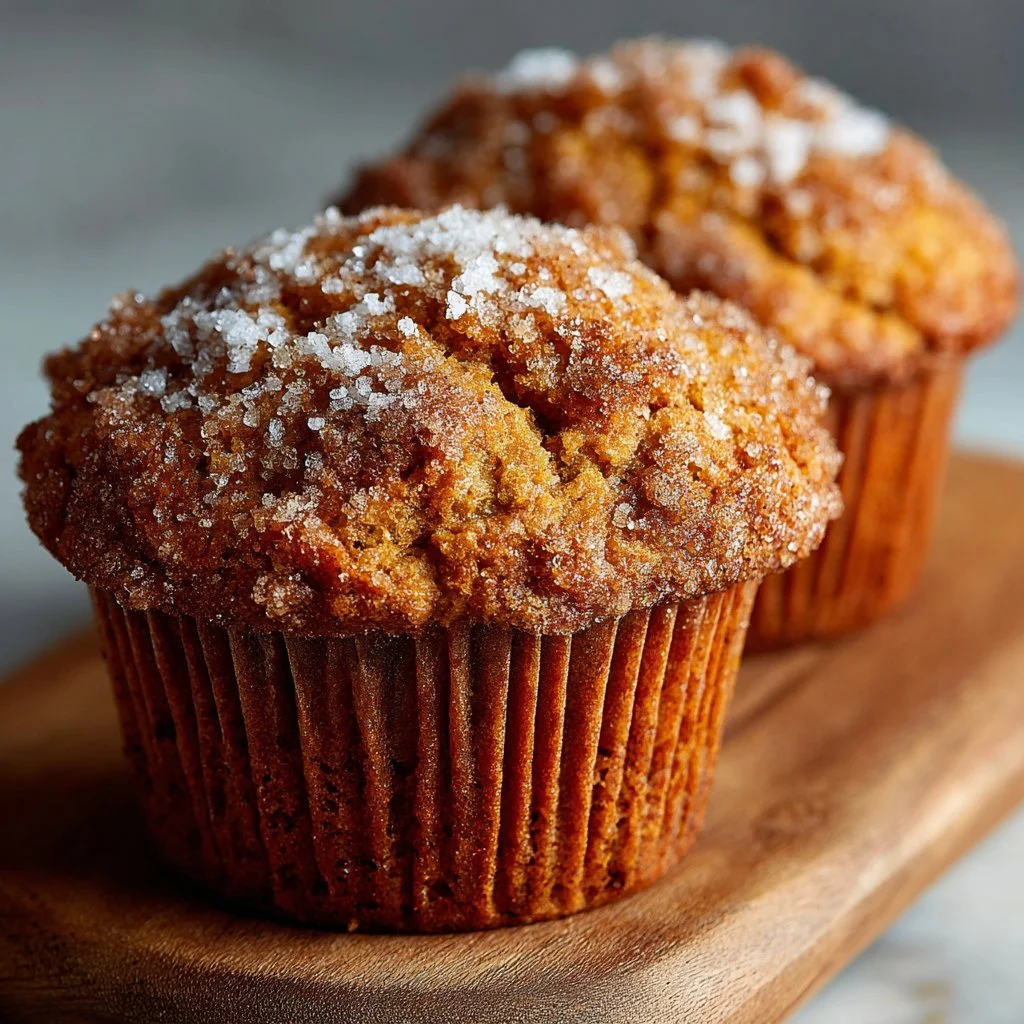
I first baked these soft apple cider muffins on a chilly morning when the house smelled like cinnamon and browned butter. They’re tender, lightly spiced, and finished with a sticky cinnamon-sugar coating that gives every bite a crisp, caramel-kissed edge. Make them for weekend brunch, a cozy school-lunch swap, or whenever you want the warm flavors of fall without fuss. If you enjoy similarly cozy bakes, you might also like this carrot pineapple walnut cake for a different kind of spiced-sweet treat: carrot pineapple walnut cake recipe.
Why you’ll love this dish
These muffins hit the sweet spot between cake and quick bread. They’re:
- Soft and moist from a trio of dairy (buttermilk/sour cream), applesauce, and oil.
- Brightened by real apple cider and finished with a butter-cider dip that helps the cinnamon-sugar stick.
- Quick to mix—no creaming required—so they’re perfect for mornings when you want bakery-style results without the effort.
“I expected simple muffins, but the cider butter dip turned them into something bakery-worthy — crisp, sweet tops and pillowy centers.” — a regular tester
They’re also kid-approved and portable, great for lunchboxes or potlucks. If you love the warm spices here, you’ll find similar cozy flavors in this soft coconut cookies recipe I often reach for when I want a chewy, spiced cookie: irresistible coconut cookies.
How this recipe comes together
This is a straightforward, two-bowl muffin method so the process stays fast and tidy:
- Preheat the oven high briefly to get an initial oven-spring.
- Whisk dry ingredients in one bowl.
- Whisk wet ingredients in another.
- Combine just until smooth; avoid overmixing.
- Portion into liners, bake at high heat briefly, then lower heat to finish.
- Cool, then dip the tops in melted butter + cider and roll in cinnamon sugar for that signature crust.
If you want guidance on portioning and scoop sizes, I refer to the same quick-scoop approach I use for soft and chewy butterscotch oatmeal cookies: soft and chewy butterscotch oatmeal cookies.
Key Ingredients
Gather these items. Notes and simple swaps follow each group.
- 2 1/4 cups all-purpose flour
- 2 tsp ground cinnamon (plus 1 tbsp for topping)
- 1/4 tsp ground nutmeg (plus 1/4 tsp for topping)
- 2 tsp baking powder
- 1/2 tsp baking soda
- 1/2 tsp salt
Wet & sweet components:
- 1/2 cup oil (canola or vegetable) — swap light olive oil for a hint of fruitiness
- 1/2 cup apple cider — real cider adds depth; avoid apple juice if you want a stronger flavor
- 3/4 cup packed brown sugar (light or dark)
- 1/4 cup granulated sugar (for the batter)
- 1/2 cup unsweetened applesauce — adds moisture and reduces oil need
- 1 tsp pure vanilla extract
- 2 large eggs, room temperature — room temp eggs emulsify better for a tender crumb
- 1/4 cup buttermilk or milk, room temperature
- 1/4 cup sour cream or Greek yogurt, room temperature
Topping:
- 4 tbsp unsalted butter, melted
- 1 tbsp apple cider
- 2/3 cup granulated sugar
- 1 tbsp ground cinnamon
- 1/4 tsp ground nutmeg
Substitutions and notes:
- For dairy-free: use plant-based yogurt and milk, and check your margarine for baking quality.
- No applesauce? Use mashed banana (flavor will change) or increase oil slightly.
- Want less sugar? Reduce the cinnamon-sugar coating by half and taste the batter for sweetness first.
- Need egg-free? See egg replacers tips and swaps used in other muffin and cookie recipes like these festive sugar cookies: soft and festive St. Patrick’s Day sugar cookies.
Directions to follow
- Preheat the oven to 425°F (218°C). Line a 12-cup muffin pan with 6 muffin liners, alternating liners and bare cups (this helps the muffins rise tall).
- In a large bowl, whisk together the flour, 2 tsp cinnamon, 1/4 tsp nutmeg, baking powder, baking soda, and salt. Set aside.
- In a separate bowl, whisk the oil, 1/2 cup apple cider, brown sugar, 1/4 cup granulated sugar, applesauce, vanilla, eggs, buttermilk, and sour cream until smooth.
- Pour the wet mixture into the dry ingredients. Whisk gently until the batter is smooth and there are no dry streaks. Don’t overmix — a few tiny bubbles are fine.
- Use a large cookie scoop to fill the liners. Fill each one to the top for a domed muffin top.
- Bake at 425°F for 8 minutes to set the tops and get an initial rise. Immediately reduce the oven temperature to 350°F (177°C) and bake for another 6–8 minutes. Test with a toothpick; it should come out clean or with a few moist crumbs.
- Let the muffins rest in the hot pan for 10 minutes, then transfer to a cooling rack and cool completely.
- While the muffins cool, melt 4 tbsp unsalted butter and stir in 1 tbsp apple cider. In a separate bowl, combine 2/3 cup granulated sugar, 1 tbsp cinnamon, and 1/4 tsp nutmeg.
- Dip the top of each cooled muffin into the butter mixture, then immediately press and roll the top into the cinnamon-sugar. Make sure the top is fully coated. Repeat the dip and roll for a thicker coating if you want extra crunch.
For a quick refresher on scoop-sizing and consistent portions, I often reference the scoop method I use in my brookie cookies post: soft-chewy brookie cookies.
Best ways to enjoy it
- Serve warm with a pat of butter or a drizzle of maple syrup.
- For brunch, place muffins on a board with sliced apples, cheddar cheese, and coffee.
- Turn one into a breakfast sandwich: slice in half, add cream cheese or mascarpone and thin apple slices.
- They also pair beautifully with hot tea, spiced latte, or a cold glass of milk.
Storage and reheating tips
- Room temperature: Keep in an airtight container for up to 2 days. The cinnamon-sugar crust will soften over time.
- Refrigerator: Store up to 5 days in an airtight container; bring to room temperature or warm for 10–15 seconds in the microwave.
- Freezing: Wrap each muffin individually in plastic wrap and place in a freezer bag for up to 3 months. Thaw overnight in the fridge or reheat from frozen in a 325°F oven for 10–12 minutes.
- Food safety: Do not leave muffins at room temperature more than 2 days if filled with perishable toppings; refrigeration reduces spoilage risk.
Pro chef tips
- Room temperature eggs and dairy produce a lighter crumb because they emulsify more smoothly with the batter.
- Alternating liners with bare cups helps heat circulate and encourages a higher dome; it’s a little trick used by professional bakers for even rise.
- Measure flour correctly: spoon into the cup and level — don’t scoop directly with the measuring cup. Too much flour yields dense muffins.
- The high initial oven temp gives a fast rise; lowering heat finishes the bake without overbrowning.
- Cool completely before dipping—warm muffins will absorb the butter-sugar and become soggy.
Creative twists
- Add-ins: Fold in 1 cup chopped apples, 1/2 cup chopped pecans, or 1/2 cup raisins for texture.
- Glaze: Instead of a cinnamon-sugar coating, drizzle a simple maple glaze (powdered sugar + maple syrup + milk).
- Savory spin: Cut sugar to 1/4 cup in the batter and add 1/2 tsp salt and 1/2 cup sharp cheddar plus 1/4 cup chopped chives for a sweet-savory muffin.
- Gluten-free: Substitute a 1:1 gluten-free flour blend and check for doneness—bake times may vary slightly.
Helpful answers (FAQs)
Q: How long do these muffins take from start to finish?
A: Active hands-on time is about 15–20 minutes. Baking and cooling add roughly 25–30 minutes, so plan for about 45–50 minutes total.
Q: Can I use apple juice instead of apple cider?
A: You can, but cider (unfiltered apple juice) has a richer apple flavor and slightly more acidity; it contributes more depth. If using juice, consider reducing any added sweetener slightly.
Q: Why is batter baked at two temperatures?
A: The high temp (425°F) jumpstarts oven spring for domed tops. Dropping to 350°F finishes the bake slowly so the center cooks without burning the exterior.
Q: Can I make the cinnamon-sugar topping ahead?
A: Mix the dry topping ahead and store in an airtight container. Melt the butter and add cider just before dipping to keep it fresh.
Q: Are these muffins freezer-friendly?
A: Yes—wrap individually and freeze up to 3 months. Reheat in the oven for best texture.
Conclusion
If you want more apple-cider muffin inspiration and variations, Sally’s detailed take is a great read: Apple Cider Spice Muffins – Sally’s Baking Addiction. For a slightly different method and topping ideas, I recommend this practical recipe round-up: Apple Cider Muffins – Parsley and Icing. And if you’re curious about a cinnamon-glaze finish rather than a sugar dip, see this version for a sweet glossy coat: Apple Cider Muffins with Cinnamon Glaze – Whisking Wolf.
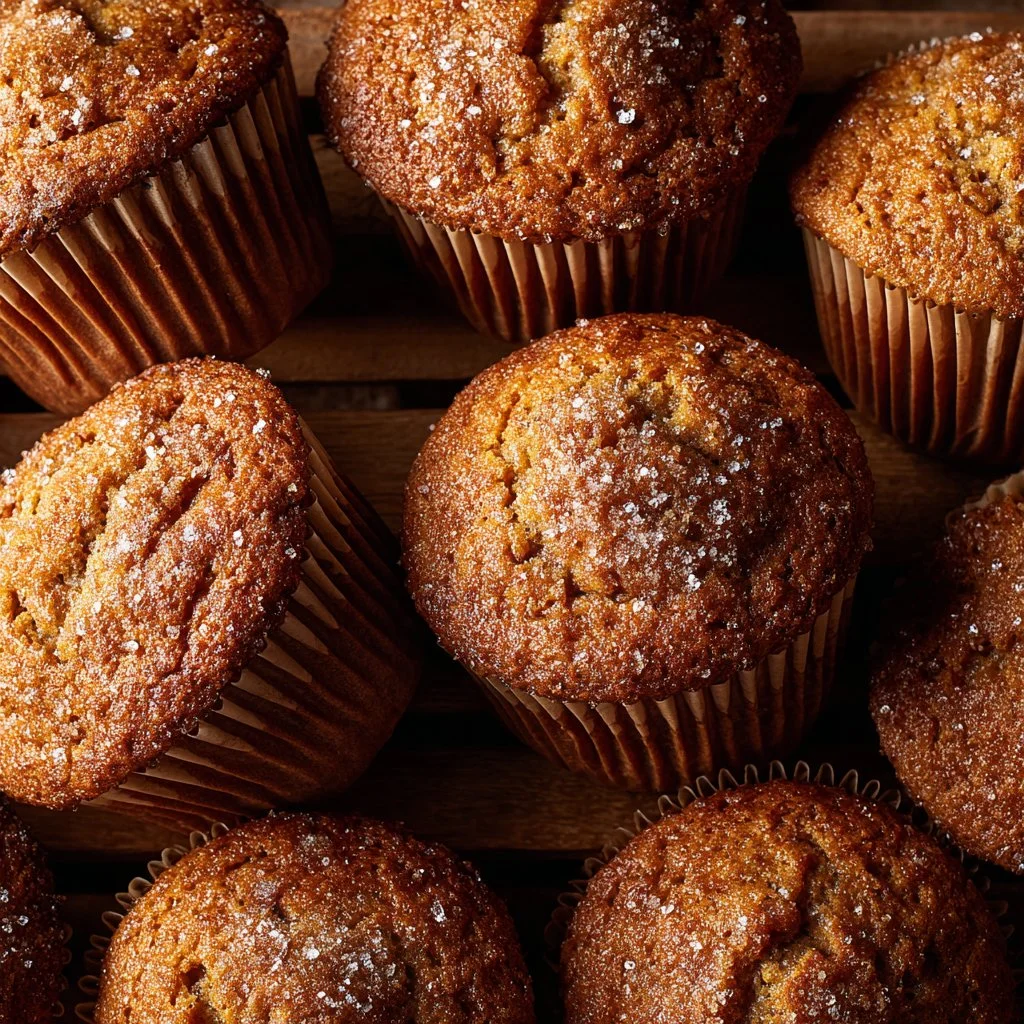
Soft Apple Cider Muffins
Ingredients
Method
- Preheat the oven to 425°F (218°C) and line a 12-cup muffin pan with 6 muffin liners, alternating liners and bare cups to help the muffins rise tall.
- In a large bowl, whisk together the flour, 2 tsp cinnamon, 1/4 tsp nutmeg, baking powder, baking soda, and salt. Set aside.
- In a separate bowl, whisk together the oil, 1/2 cup apple cider, brown sugar, 1/4 cup granulated sugar, applesauce, vanilla, eggs, buttermilk, and sour cream until smooth.
- Pour the wet mixture into the dry ingredients and whisk gently until the batter is smooth. Avoid overmixing.
- Use a large cookie scoop to fill the liners, filling each one to the top.
- Bake at 425°F for 8 minutes to set the tops, then immediately reduce the oven temperature to 350°F (177°C) and bake for another 6–8 minutes until a toothpick comes out clean.
- Let the muffins rest in the hot pan for 10 minutes, then transfer them to a cooling rack to cool completely.
- While the muffins cool, melt the butter and stir in the apple cider.
- In a separate bowl, combine the granulated sugar, ground cinnamon, and ground nutmeg.
- Dip the top of each cooled muffin into the butter mixture, then immediately press and roll the top into the cinnamon-sugar to fully coat.
- Repeat for a thicker coating if desired.