
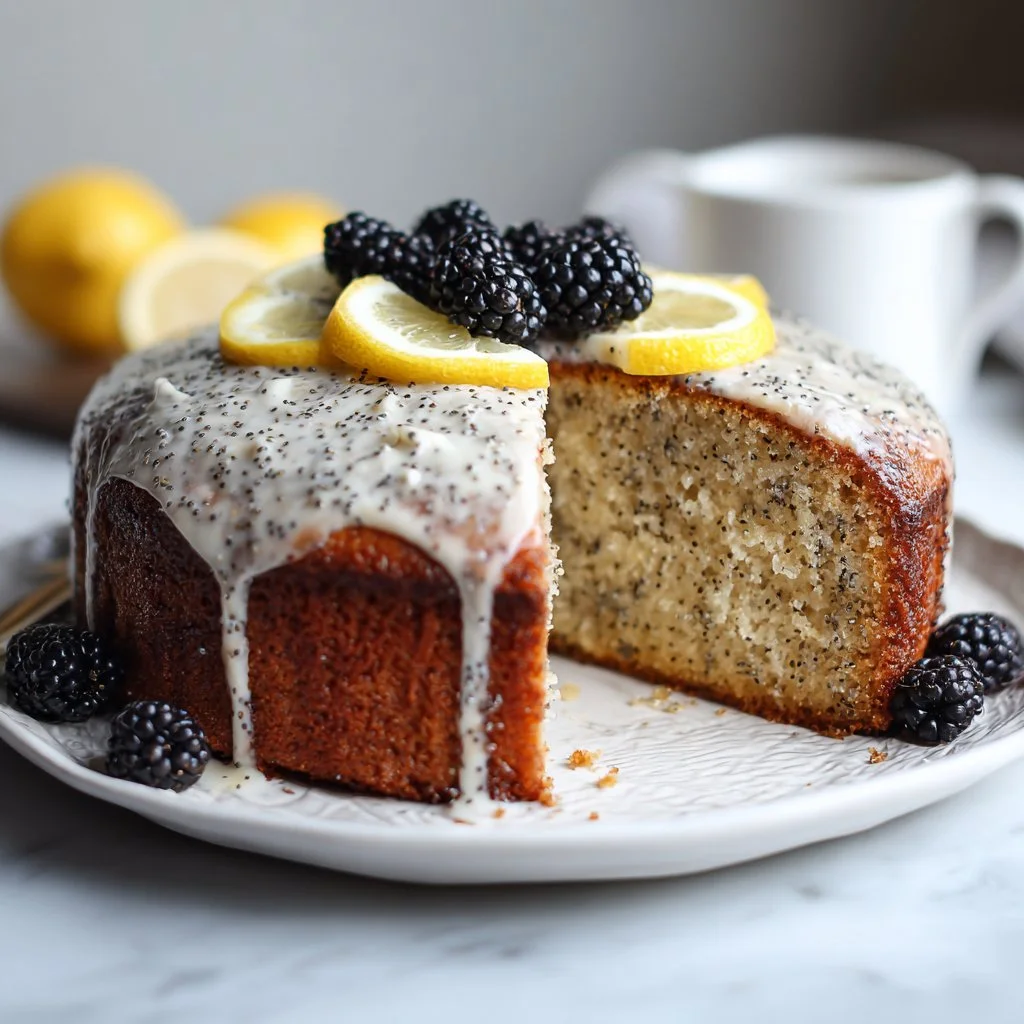
Bright, tender, and speckled with tiny poppy seeds, this gluten free lemon poppy seed cake is the kind of dessert that feels like sunshine on a plate. It’s surprisingly simple to make and impressive to serve.
You’ll get a soft crumb and sharp lemon brightness balanced with a silky lemon blackberry buttercream. The texture and flavor make it perfect for brunch, a light dessert, or a special occasion.
If you’re exploring more cake ideas, check out the recipe roundup in my cake collection: cake recipes for every occasion.
Why You’ll Love This Gluten Free Lemon Poppy Seed Cake
- Bright, tangy lemon flavor without being cloying.
- Moist, tender crumb thanks to buttermilk and eggs.
- Gluten free formula that still feels classic and satisfying.
- Poppy seeds add a subtle crunch and visual interest.
- Versatile: pairs beautifully with lemon blackberry buttercream or fresh berries.
- Easy to adapt into cupcakes or a loaf for grab-and-go treats.
This cake tastes clean and citrus-forward with a tender, fine crumb. The buttermilk softens the crumb while the butter and eggs give richness and structure.
“I made this for weekend brunch and everyone asked for the recipe — moist, lemony, and perfectly balanced. Five stars!”
Key Ingredients for Gluten Free Lemon Poppy Seed Cake
Below are the top ingredients that define this cake’s success and how to choose them in the store.
Gluten free all-purpose flour
Use a reliable gluten free blend that contains a binder like xanthan gum already, or add 1/4 teaspoon per cup if it’s missing. The blend choice affects crumb and rise; blends with rice flour + tapioca tend to be light, while oat-based blends give more density.
If you substitute with almond flour, expect a denser, moister cake that may need extra eggs and less butter.
Buttermilk
Buttermilk adds acidity that reacts with baking soda to give lift and a tender crumb. Buy cultured buttermilk for consistency; if unavailable, make a quick substitute with milk + 1 tablespoon lemon juice per cup and let sit 5 minutes.
Using regular milk will still work but the cake will be slightly less tender and less tangy.
Unsalted butter
Butter provides flavor and structure; use unsalted so you can control the salt level. Choose high-quality butter for the cleanest, creamiest mouthfeel.
Swapping for oil will create a moister but less structured crumb and a weaker butter flavor.
Lemon juice & lemon zest
Fresh lemon juice and zest deliver bright citrus without artificial notes. Zest contains essential oils that perfume the batter more than juice alone.
If you use bottled juice, add extra zest to restore lost aroma, and expect a slightly flatter lemon profile.
Full Ingredient List for Gluten Free Lemon Poppy Seed Cake
- 1 1/2 cups gluten free all-purpose flour
- 1 tablespoon poppy seeds
- 1 teaspoon baking powder
- 1/2 teaspoon baking soda
- 1/4 teaspoon salt
- 1/2 cup unsalted butter, softened
- 1 cup granulated sugar
- 3 large eggs
- 1/4 cup lemon juice
- 1 tablespoon lemon zest
- 1 teaspoon vanilla extract
- 1 cup buttermilk
- Fresh blackberries (for garnish)
- Lemon blackberry buttercream (for frosting)
Step-by-Step Instructions for Gluten Free Lemon Poppy Seed Cake
Step 1: Preheat and prepare the pan
Preheat your oven to 350°F (180°C). Grease and lightly flour a cake pan to help the gluten free cake release cleanly after baking.
Pro Tip: The pan should feel evenly greased and the surface should glisten slightly; the batter will not stick when it’s done.
Step 2: Combine dry ingredients
In a medium bowl, whisk together the gluten free flour, poppy seeds, baking powder, baking soda, and salt until evenly distributed.
Pro Tip: The dry mix should look uniform with poppy seeds distributed like tiny specks — no clumps of baking powder or soda.
Step 3: Cream butter and sugar
In a large bowl, beat the softened butter and granulated sugar until the mixture is pale, light, and fluffy. This aeration gives structure to the cake.
Pro Tip: When properly creamed, the sugar-butter mixture will look pale and slightly ribbon-like when the beater is lifted.
Step 4: Add eggs
Add the eggs one at a time, mixing thoroughly after each to maintain an emulsion and even rise throughout the batter.
Pro Tip: The batter should become smoother and shinier after each egg; if it looks curdled, continue mixing — it usually comes back together.
Step 5: Add lemon and vanilla
Stir in the lemon juice, lemon zest, and vanilla extract so these flavors are evenly incorporated before combining with the dry ingredients.
Pro Tip: After adding juice and zest the batter should smell bright and citrusy with a warm vanilla undertone.
Step 6: Alternate dry ingredients and buttermilk
Gradually add the dry ingredients to the wet mixture in three additions, alternating with two additions of buttermilk, starting and ending with the dry ingredients.
Pro Tip: The final batter should be pourable but thick — it will fall off the spoon in a smooth ribbon rather than a heavy blob.
Step 7: Pour batter into pan
Pour the batter into the prepared cake pan and smooth the top with a spatula for an even rise. Tap the pan briefly on the counter to release any large air pockets.
Pro Tip: The surface should be even and slightly glossy; large air bubbles that pop are okay, but avoid over-tapping.
Step 8: Bake until set
Bake for 25–30 minutes or until a toothpick inserted in the center comes out clean or with a few moist crumbs. Avoid overbaking to keep the cake tender.
Pro Tip: The top should be lightly golden and spring back gently when pressed; the toothpick test should show tiny moist crumbs, not wet batter.
Step 9: Cool
Let the cake cool in the pan for about 10 minutes, then turn it out onto a wire rack to cool completely before frosting to prevent the buttercream from melting.
Pro Tip: The cake should feel slightly warm but no longer hot; when fully cooled, it will be firm to the touch and not collapse under gentle pressure.
Step 10: Frost and garnish
Frost with lemon blackberry buttercream and garnish with fresh blackberries just before serving for the best visual and flavor contrast.
Pro Tip: The finished cake should have a smooth, glossy buttercream finish and a scattering of bright blackberries for contrast.
Expert Tips for Gluten Free Lemon Poppy Seed Cake
- Temperature tip: Room temperature butter and eggs incorporate better; cold ingredients give a lumpy batter. Let eggs sit 30 minutes out of the fridge.
- Baking temperature: If your oven runs hot, lower to 325°F and add a few extra minutes — gluten free flours brown faster.
- Texture troubleshooting: If the cake is gritty, your flour blend may be coarse; try a finer mix or sift the flour before measuring.
- Moisture control: If the cake dries on day two, brush with a simple syrup (equal parts sugar and water) lightly before frosting.
- Equipment tip: Use an oven thermometer and a wire rack for cooling; both small items drastically improve results.
- Mixing tip: Avoid overmixing after adding flour; mix just until combined to prevent a crumbly, dense texture.
- Common mistakes: Skipping the buttermilk substitute reduces tenderness; forgetting to grease the pan can cause the cake to stick.
- Visual cues: Poppy seeds should be evenly spread; the crumb should be tender with small, even air pockets — not large holes.
For a different sweet pairing idea, I also like to riff on textures and flavors inspired by other treats like these biscoff cheesecake cookies while experimenting with fillings: biscoff cookie butter cheesecake cookies.
Storage & Freezing for Gluten Free Lemon Poppy Seed Cake
Fridge storage: Keep the frosted cake in an airtight cake keeper or a covered container in the refrigerator for up to 4 days. Cut slices stay best in a sealed container for 3–4 days.
Freezer storage: For long-term storage, freeze unfrosted layers wrapped tightly in plastic wrap, then in foil or a freezer bag for up to 3 months.
Thawing instructions: Thaw frozen layers overnight in the refrigerator, then bring to room temperature for 30–60 minutes before frosting for easy spreading.
Reheating: Slightly stale slices benefit from a 10–12 second zap in the microwave or warm gently in a 300°F oven for 8–10 minutes wrapped in foil.
Variations & Substitutions for Gluten Free Lemon Poppy Seed Cake
- Lemon loaf version: Bake in a greased loaf pan at 350°F for 40–50 minutes. You’ll get a denser loaf with caramelized edges and the same bright lemon flavor.
- Olive oil swap: Replace half the butter with extra virgin olive oil for a moist, slightly savory depth and an almost olive oil cake texture that complements lemon.
- Blueberry swap: Fold 1 cup fresh blueberries into the batter and omit blackberries in garnish for bursts of fruit and soft pockets of juice.
- Vanilla glaze instead of buttercream: Make a thin lemon glaze with powdered sugar and lemon juice for a lighter finish; the cake will be less sweet and more snackable.
Frequently Asked Questions About Gluten Free Lemon Poppy Seed Cake
Can I make this Gluten Free Lemon Poppy Seed Cake dairy-free?
Yes. Substitute the butter with a neutral-tasting dairy-free spread or coconut oil, and swap buttermilk for a plant-based milk mixed with 1 tablespoon vinegar per cup. Expect a slightly different mouthfeel; coconut oil can add a faint coconut note.
How do I prevent my Gluten Free Lemon Poppy Seed Cake from being dry?
Avoid overbaking and measure flour by spooning into the cup and leveling rather than scooping. Use the buttermilk and don’t skimp on the fat. If your home is dry, store the cake in an airtight container to preserve moisture.
Can I make this into cupcakes, and how does baking time change?
Yes, divide batter into lined muffin tins and bake at 350°F for 16–20 minutes. Cupcakes will bake faster and may need slightly less buttermilk if batter spreads too thin.
Why does my gluten free cake crumble more than a wheat cake?
Gluten free flours lack the gluten network that provides elasticity. Use a blend with a binder like xanthan gum or add 1/4 teaspoon per cup of flour to improve cohesion and reduce crumbling.
How do I make lemon blackberry buttercream for topping this Gluten Free Lemon Poppy Seed Cake?
Make a classic buttercream with softened butter and powdered sugar, then mix in lemon zest and a few tablespoons of fresh blackberry puree reduced to concentrate flavor. Strain seeds if you prefer a silky finish and chill briefly to set before frosting.

Final Thoughts on Gluten Free Lemon Poppy Seed Cake
This Gluten Free Lemon Poppy Seed Cake is bright, tender, and crowd-pleasing whether you serve it for brunch or a special celebration. If you enjoyed the recipe, please leave a star rating in the recipe card and pin it to Pinterest for later.
For inspiration and texture variations, check the lovely moist version here: Moist Gluten Free Lemon Poppy Seed Cake – Fearless Dining.
If you want a simpler, classic approach, this straightforward take is a perfect reference: Simple Lemon Poppy Seed Cake – The Loopy Whisk.
For tips on achieving loft and rise in gluten-free cakes, this guide is helpful: Lofty Gluten-Free Lemon Poppy Seed Cake – The Bojon Gourmet.
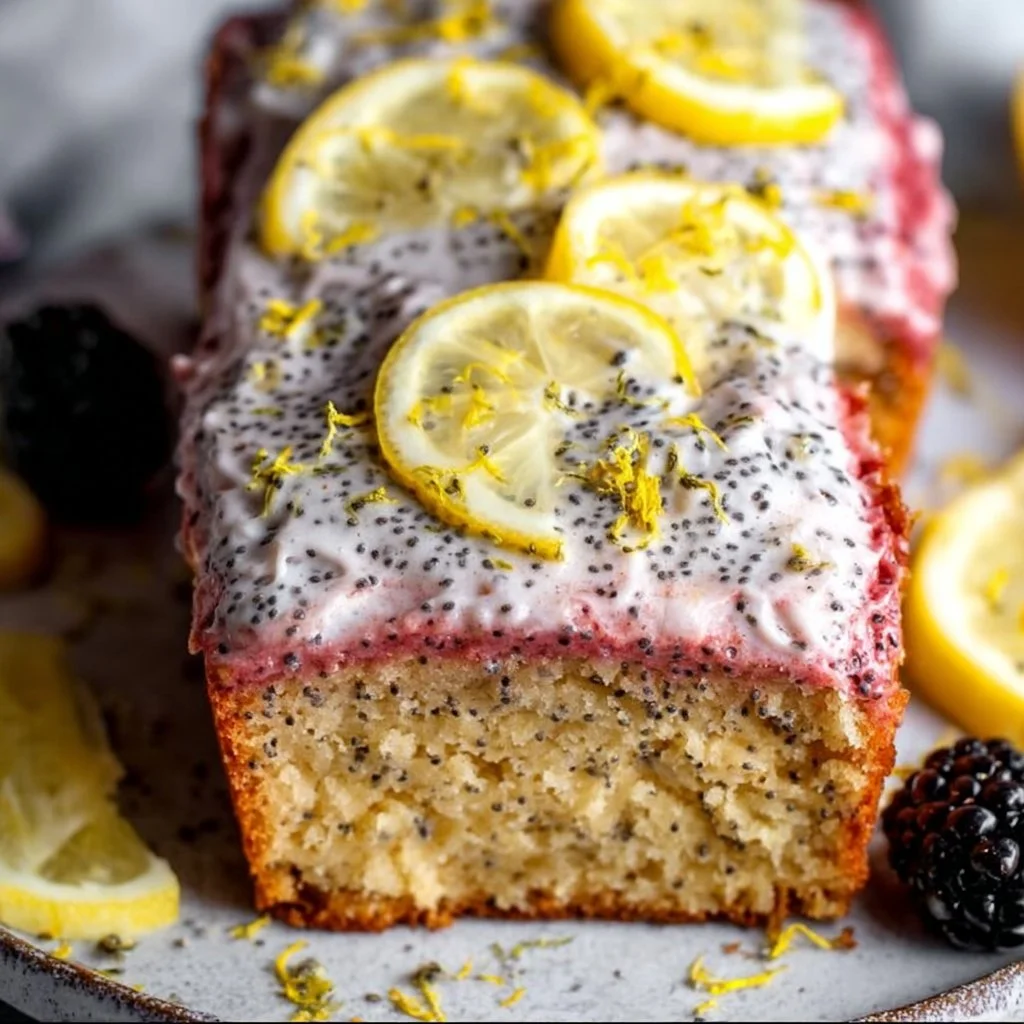
Gluten Free Lemon Poppy Seed Cake
Ingredients
Method
- Preheat your oven to 350°F (180°C). Grease and lightly flour a cake pan.
- In a medium bowl, whisk together the gluten free flour, poppy seeds, baking powder, baking soda, and salt.
- In a large bowl, beat the softened butter and granulated sugar until light and fluffy.
- Add the eggs one at a time, mixing thoroughly after each addition.
- Stir in the lemon juice, lemon zest, and vanilla extract.
- Gradually add the dry ingredients to the wet mixture, alternating with the buttermilk.
- Pour the batter into the prepared cake pan and smooth the top.
- Bake for 25–30 minutes or until a toothpick comes out clean.
- Let the cake cool in the pan for 10 minutes, then transfer to a wire rack.
- Frost with lemon blackberry buttercream and garnish with fresh blackberries.