
Start with a warm, coconut-scented hook that pulls the reader in immediately. These cookies are about to become your go-to when you crave something soft, chewy, and coconut-forward.
Short, simple, and cozy: this recipe uses pantry staples and one special texture booster — shredded coconut — to keep every bite tender.
If you like chewy cookies, you might also enjoy my riff on brookies — try the soft chewy brookie cookies for another chewy treat.
Quick note: read the tips below for the best results and to avoid common pitfalls.
Why You’ll Love This Irresistible Coconut Cookies Soft Chewy
– Soft, chewy centers with crisp edges.
– Easy pantry-ingredient recipe that scales well.
– Coconut adds chew and a toasty aroma when baked.
– Minimal technique — great for beginners.
– Freezer-friendly dough and finished cookies.
– Customizable: switch coconut type or add mix-ins.
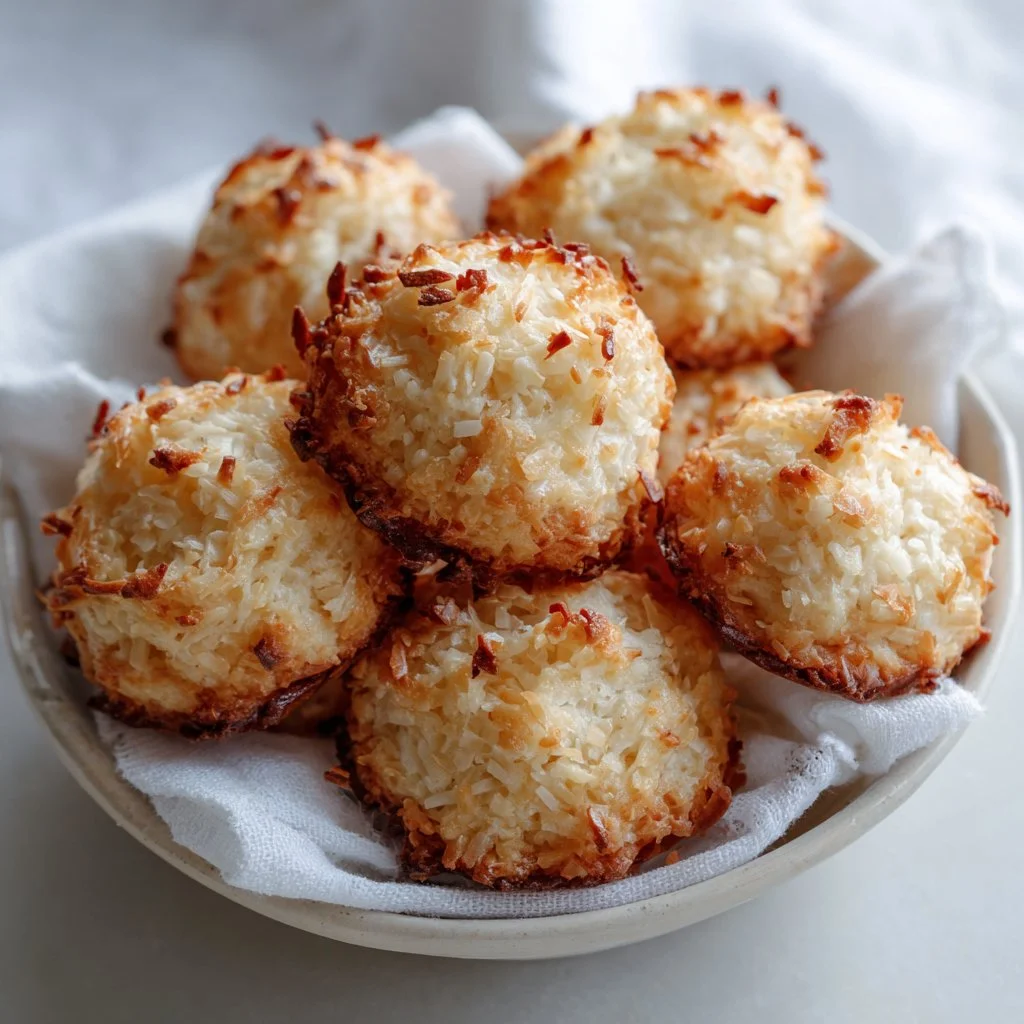
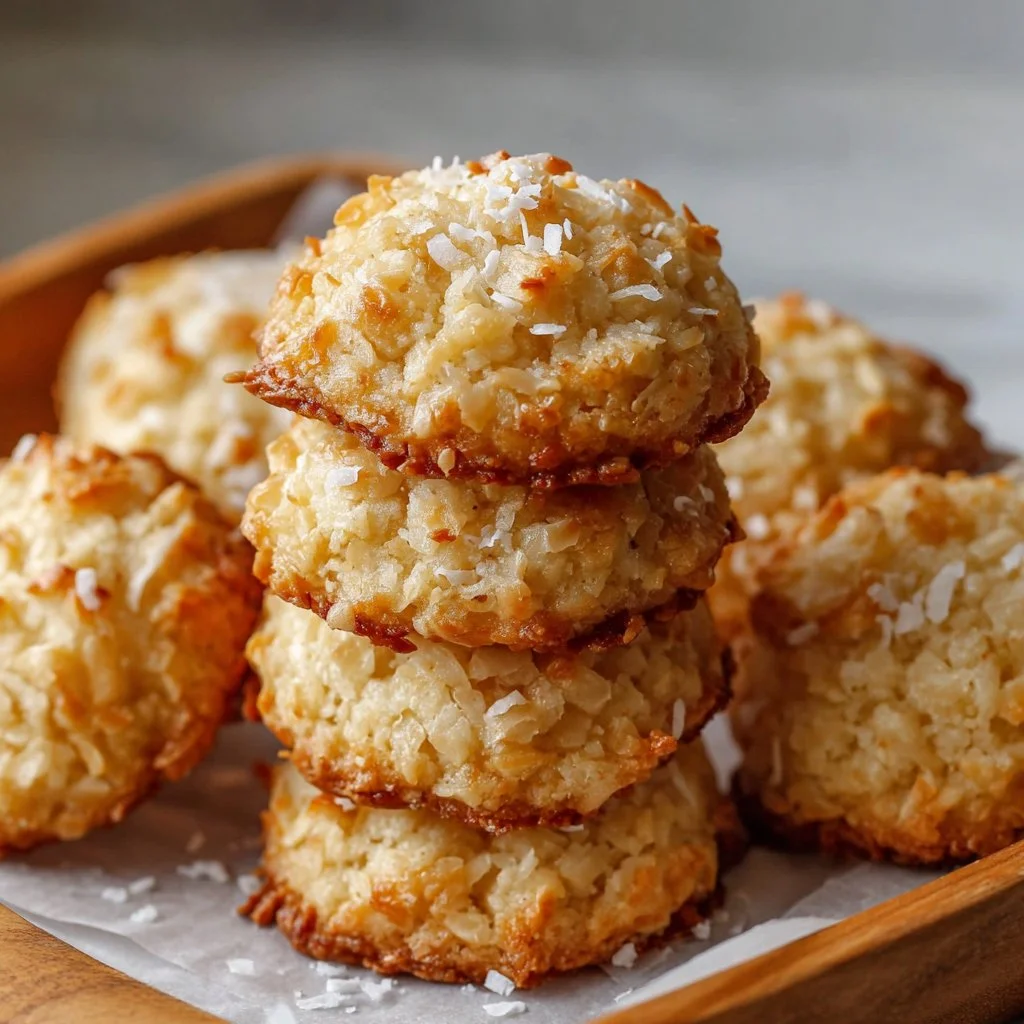
The taste is a gentle, buttery sugar cookie base with warm coconut notes and a pleasant chew from shredded coconut. The texture balances a slightly crisp rim with a springy, tender center that yields when bitten and keeps you coming back for another.
“Five stars — these are the best coconut cookies I’ve ever baked. Soft in the middle, lightly toasted edges, and my kids couldn’t stop asking for more!” — Emma R.
Key Ingredients for Irresistible Coconut Cookies Soft Chewy
Choose quality ingredients and you’ll be rewarded with better texture and flavor. Below are the most impactful components and why they matter.
Butter (1 cup unsalted butter, softened)
Butter provides flavor, richness, and the fat required for that tender crumb. Buy unsalted butter and control salt separately; if you substitute margarine or a tub spread, expect less structure and a softer, greasier result. For a cleaner coconut flavor, use European-style butter (higher fat) but reduce additional salt by a pinch.
Flour (3 cups all-purpose flour)
All-purpose flour supplies the structure via gluten. If you switch to a low-protein flour, the cookies will be cakier and spread less; using bread flour will make them chewier but can lean gummy. Measure flour properly—fluff, spoon, and level—to avoid dense cookies.
Brown Sugar (3/4 cup packed) and Granulated Sugar (3/4 cup)
Brown sugar adds moisture and chew thanks to its molasses; granulated sugar contributes crisping and lift. Reducing brown sugar will make the cookies drier and less chewy. If you only have white sugar, expect drier, less caramelized flavor; a mix of white and a bit of molasses can mimic brown sugar.
Shredded Coconut (2 cups, sweetened or unsweetened)
Coconut is the texture star — it adds chew, a toasty aroma, and small pockets of flavor. Sweetened coconut will add extra sweetness and a touch more chew; unsweetened keeps sugar levels lower and lets butter and vanilla shine. Toast it lightly for a nuttier flavor, but avoid burning as it turns bitter.
Full Ingredient List for Irresistible Coconut Cookies Soft Chewy
– 3 cups all-purpose flour
– 1 teaspoon baking soda
– 1/2 teaspoon salt
– 1 cup unsalted butter, softened
– 3/4 cup granulated sugar
– 3/4 cup brown sugar, packed
– 1 large egg, room temperature
– 1 teaspoon vanilla extract
– 2 cups shredded coconut, sweetened or unsweetened
Step-by-Step Instructions for Irresistible Coconut Cookies Soft Chewy
Step 1: Preheat and prepare pans
Preheat the oven to 375°F (190°C). Line baking sheets with parchment paper so cookies lift easily and bake evenly.
Pro Tip: The parchment should lie flat and dry; when it warms, it will smell faintly sweet and the room will begin to smell like toasted sugar.
Step 2: Whisk dry ingredients
In a medium bowl, whisk together the flour, baking soda, and salt until evenly combined and aerated. This distributes leavening and prevents pockets of soda that can make uneven rise.
Pro Tip: The dry mix will look light and slightly fluffy when properly combined; no clumps should remain.
Step 3: Cream butter and sugars
In a large bowl, cream the softened butter with granulated sugar and brown sugar until light and fluffy. Beat 2–4 minutes on medium speed if using an electric mixer; scrape the bowl once.
Pro Tip: Properly creamed butter and sugar should look paler and feel airy; run a spatula through it and you should see tiny air pockets.
Step 4: Add egg and vanilla
Beat in the egg and vanilla extract until well combined and homogeneous. The egg adds moisture and binds; vanilla boosts aromatics.
Pro Tip: The batter should look glossy and smooth, not curdled; a room-temperature egg prevents seizing.
Step 5: Combine wet and dry
Gradually add the dry ingredients to the wet ingredients, mixing until just combined. Overmixing develops gluten and can make cookies tough. Fold gently to keep a tender crumb.
Pro Tip: The dough will look slightly shaggy but cohesive; stop mixing when no dry streaks remain.
Step 6: Stir in shredded coconut
Fold in the shredded coconut evenly so each scoop has chew and flavor. Press the coconut into the dough gently rather than beating it.
Pro Tip: The dough should have visible coconut strands; you should be able to see and feel the coconut throughout.
Step 7: Chill the dough
Chill the dough for at least 30 minutes to firm the butter and control spread during baking. Longer chilling (up to 24 hours) deepens flavor.
Pro Tip: After chilling, the dough will be firmer to the touch and scoopable without flattening.
Step 8: Portion and space
Use a cookie scoop to drop rounded tablespoons of dough onto prepared baking sheets, spacing them about 2 inches apart for room to spread. Scoops ensure even sizing and bake time.
Pro Tip: Dough balls should hold shape but have slightly rounded tops; they will spread to a cookie during baking.
Step 9: Bake until edges are golden
Bake for 10–12 minutes, or until the edges are golden brown and the centers are slightly soft. Keep a close eye in the final minutes to avoid overbaking.
Pro Tip: The centers will look set but still a bit soft; a light press should yield slight give — they firm as they cool.
Step 10: Cool on sheets then rack
Let cookies cool on the baking sheets for a few minutes before transferring them to a wire rack to cool completely. This final rest helps structure.
Pro Tip: If the cookie bottoms sound hollow when tapped lightly, they are fully baked; otherwise give them another minute in the oven.
Expert Tips for Irresistible Coconut Cookies Soft Chewy
– Chill time matters: chilling for 30 minutes to 2 hours controls spread and intensifies flavor.
– Oven temperature accuracy: use an oven thermometer; 375°F that runs hot will crisp too fast and dry the centers.
– Butter temperature: softened but not melty butter creams best; if too warm, the dough will be greasy and flat.
– Texture troubleshooting: dry crumb means too much flour or under-creamed butter; add a teaspoon or two of milk to rescue small batches.
– Equipment tip: a medium cookie scoop yields uniform cookies; use parchment to prevent sticking and for even browning.
– Common mistake: overmixing after adding flour develops gluten — stop when streaks disappear.
– Coconut texture: toasty coconut is wonderful; toast shredded coconut in a dry skillet for 3–4 minutes until golden, cool before folding in.
– Scaling: for larger batches, chill dough in two bowls to keep it cold; warm dough spreads unpredictably.
In this section you can also explore complementary recipes if you’re building a cookie rotation; try the chewy pumpkin streusel cookies for fall baking inspiration.
Storage & Freezing for Irresistible Coconut Cookies Soft Chewy
Room temperature fridge storage: Store cooled cookies in an airtight container at room temperature for up to 4 days. Place parchment between layers to prevent sticking.
Freezer storage — baked: Freeze fully cooled cookies in a single layer on a tray, then transfer to a freezer-safe bag for up to 3 months. Thaw at room temperature for 15–20 minutes before serving.
Freezer storage — dough: Scoop dough onto a tray, freeze until firm, then bag the dough balls for up to 3 months; bake from frozen, adding 1–2 minutes to bake time.
Thawing & reheating: Thaw baked cookies at room temperature or warm in a 300°F oven for 5–7 minutes to refresh chew and crisp the edges. Use airtight rigid containers for best protection against freezer burn.
Variations & Substitutions for Irresistible Coconut Cookies Soft Chewy
– Toasted Coconut and Almond: Toast 1 cup of the shredded coconut and fold in 1/2 cup chopped almonds. The result is nuttier with a toasted crunch that contrasts the soft center.
– Chocolate Chip Coconut: Add 3/4 cup semi-sweet chocolate chips to the dough and reduce granulated sugar by 2 tablespoons for balance. Chocolate adds melty pockets and more richness.
– Tropical Lime Coconut: Add 1 teaspoon lime zest and reduce vanilla to 1/2 teaspoon; the bright citrus lifts the coconut and yields a fresher flavor profile.
– Coconut-Oat Chew: Replace 1/2 cup flour with 1/2 cup old-fashioned oats and increase coconut by 1/4 cup for an earthier, chewier cookie that still holds shape.
For a cozy holiday twist, see my soft eggnog cookie riff: soft eggnog cookies.
Frequently Asked Questions About Irresistible Coconut Cookies Soft Chewy
Q: Can I make these cookies without shredded coconut?
A: Yes — omit the coconut and reduce flour by 1/4 cup to keep the same texture. The cookies will be more like a classic sugar cookie; consider adding 1/2 cup of mix-ins (chocolate chips or nuts) to retain chew.
Q: Why are my cookies flat and greasy?
A: Likely causes include overly soft butter, too little flour, or dough left at room temperature too long before baking. Chill the dough, measure flour correctly, and ensure butter is softened but not melty.
Q: Can I substitute coconut oil for butter?
A: You can, but expect a different texture and a pronounced coconut oil flavor. Use a 1:1 swap but chill the dough thoroughly — coconut oil melts at a lower temperature than butter and can cause spreading.
Q: How do I get chewier centers every time?
A: Use more brown sugar relative to white, avoid overbaking (take them out when centers are set but slightly soft), and remove from the oven while edges are just golden. Cooling on the baking sheet helps residual heat finish the bake gently.
Q: Is sweetened or unsweetened coconut better?
A: Sweetened coconut adds sugar and chew; unsweetened is a cleaner option. If using sweetened, consider reducing granulated sugar by 1–2 tablespoons to balance sweetness.
Final Thoughts on Irresistible Coconut Cookies Soft Chewy
If you made these cookies, please leave a star rating in the recipe card below and pin this recipe to Pinterest to save it for later. For more coconut cookie inspiration and similar recipes, check these trusted versions: Chewy Coconut Cookies – Easy & Delicious, The Ultimate Healthy Soft & Chewy Oatmeal Raisin Cookies, Chewy Coconut Cookies – Golden Barrel, and Coconut cookies of your dreams! – The clever meal.
Coconut Cookies
Ingredients
Method
- Preheat the oven to 375°F (190°C) and line baking sheets with parchment paper.
- In a medium bowl, whisk together flour, baking soda, and salt until well combined.
- In a large bowl, cream the softened butter with granulated and brown sugar until light and fluffy.
- Beat in the egg and vanilla extract until homogeneous.
- Gradually add the dry ingredients to the wet mixture, mixing until just combined.
- Fold in the shredded coconut evenly into the dough.
- Chill the dough for at least 30 minutes.
- Use a cookie scoop to drop rounded tablespoons of dough onto prepared baking sheets, spacing them about 2 inches apart.
- Bake for 10–12 minutes until edges are golden brown, centers remain slightly soft.
- Let cookies cool on the baking sheets for a few minutes before transferring them to a wire rack.