
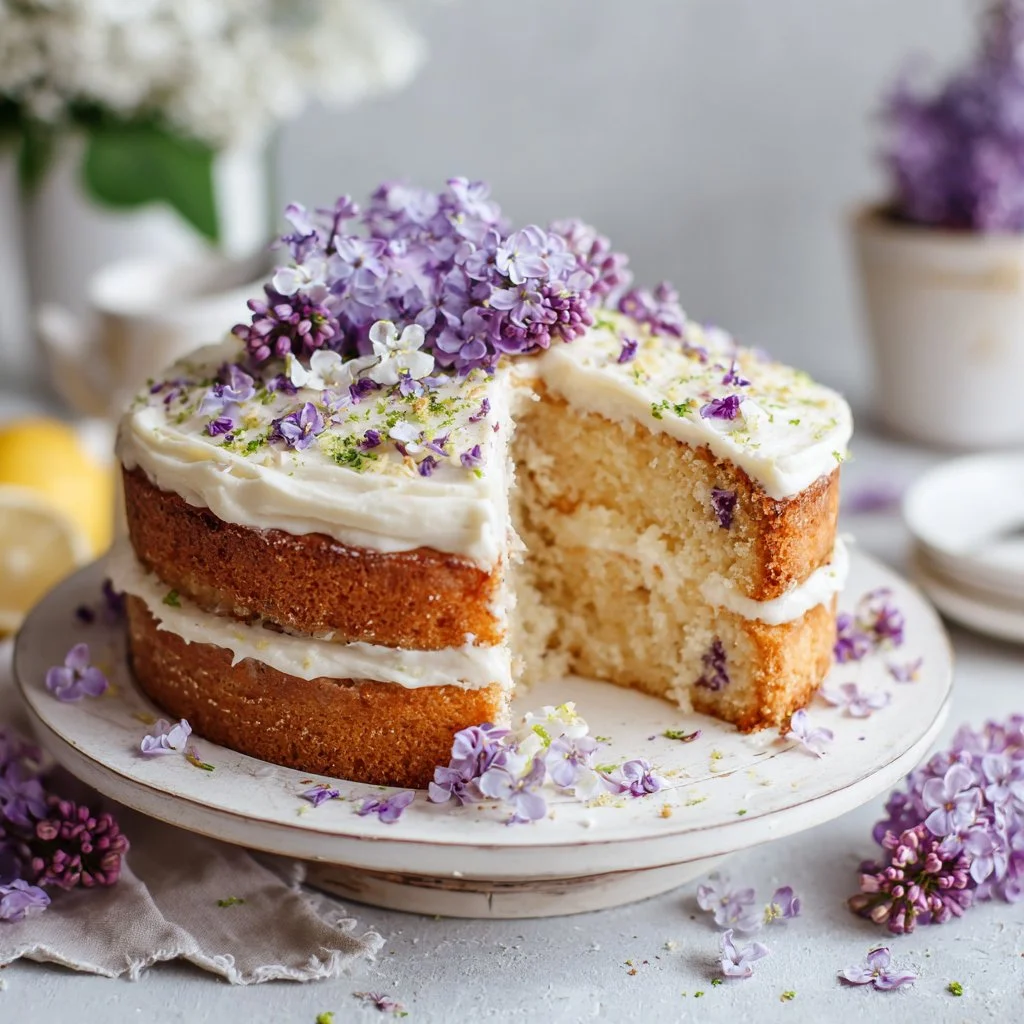
Bright, floral, and lemon-bright, this cake tastes like the first day of spring on a plate. It’s an easy two-layer sponge that marries tangy lemon with delicate lilac petals for something truly special.
You’ll love how fast it comes together and how forgiving the batter is for home bakers. Serve it with simple buttercream or leave it unfrosted for a lighter slice.
If you’re looking for other show-stopping bakes to pair with tea, try a decadent cheesecake or a playful cupcake for the same cozy vibe: biscoff cheesecake cookies.
Why You’ll Love This Fresh Spring Lilac Lemon Cake
– Floral and citrusy flavor balance that feels like spring.
– Soft, tender crumb that keeps well for several days.
– Simple pantry ingredients with one seasonal twist.
– Quick prep that’s perfect for weekday baking.
– Adaptable to vegan or gluten-free substitutions.
– Beautiful, natural decoration with lilac petals.
– Pairs perfectly with tea, prosecco, or a light citrus glaze.
The cake’s flavor is a crisp lemon lift with a whisper of floral lilac that doesn’t overwhelm. The texture is tender and fine-crumbed thanks to the ratio of fat to liquid and the gentle folding of the flowers into the batter.
“This was the prettiest cake at our brunch — light, lemony, and the lilac made it taste like spring. Easy to make and everyone asked for the recipe. Five stars!” — Reader Emily K.
Key Ingredients for Fresh Spring Lilac Lemon Cake
Choose ingredients with care for the best texture and flavor. Below are the top essentials to focus on.
All-purpose flour
All-purpose flour gives structure without being too heavy, producing a crumb that’s tender but sliceable. Buy a well-known brand with consistent protein content (10–11% is ideal). If you substitute with cake flour, expect a softer, more delicate crumb and you’ll need slightly less flour by volume.
Unsalted butter, softened
Butter provides richness, moisture, and flavor. Use unsalted so you control the salt level and soften it to room temperature for proper creaming. If you use oil instead, the cake will be moister but lose some of the butter’s flavor and the batter’s aeration from creaming will be reduced.
Fresh lilac flowers
Fresh edible lilac adds a subtle floral perfume and speckled visual charm. Use only flowers from pesticide-free sources and remove stems and pistils. If you can’t find lilacs, substitute with 1–2 teaspoons culinary lavender for a similar effect, but expect a stronger floral note.
Fresh lemons (zest + juice)
Lemon zest contains essential oils that provide bright citrus aroma, while lemon juice contributes acidity that lifts flavor and reacts with baking powder for leavening. Always zest before juicing and choose unwaxed lemons when possible. Bottled lemon juice is acceptable in a pinch but lacks the fresh zest’s aromatic punch.
Full Ingredient List for Fresh Spring Lilac Lemon Cake
– 2 cups all-purpose flour
– 1 1/2 cups granulated sugar
– 1/2 cup unsalted butter, softened
– 1 cup milk
– 3 large eggs
– 2 teaspoons baking powder
– 1/2 teaspoon salt
– 1/4 cup fresh lilac flowers, cleaned and stems removed
– Zest of 2 lemons
– Juice of 1 lemon
– Optional: buttercream frosting for topping
Step-by-Step Instructions for Fresh Spring Lilac Lemon Cake
Step 1: Preheat and prepare pans
Preheat your oven to 350°F (175°C). Grease and flour two 9-inch round cake pans, or line them with parchment rounds for easier removal. This preheat ensures even oven spring once the batter goes in.
Pro Tip: The pans should feel warm to the touch when ready and the parchment should sit flat without bubbling.
Step 2: Cream butter and sugar
In a large mixing bowl, cream together the softened butter and granulated sugar until the mix is light and fluffy. This step incorporates air that gives lift to the cake.
Pro Tip: Proper creaming looks pale and slightly increased in volume; the texture should be light and airy, not greasy.
Step 3: Add eggs one at a time
Add the eggs one at a time, mixing well after each addition to maintain a stable emulsion. Scrape the bowl between additions so everything blends evenly.
Pro Tip: The batter should look glossy and smooth with no streaks of egg white or separated fat.
Step 4: Add milk, lemon zest, and lemon juice
Stir in the milk, lemon zest, and lemon juice until evenly combined. The acidic lemon juice helps brighten the batter and pairs with the baking powder for lift.
Pro Tip: You should smell a fresh lemon aroma; the batter will thin slightly and look glossy.
Step 5: Combine dry ingredients and fold
In a separate bowl, whisk the flour, baking powder, and salt. Gradually add the dry ingredients to the wet mixture, mixing just until combined to avoid overworking the gluten.
Pro Tip: The batter should be smooth with no dry streaks; over-mixing will make it dense and elastic-looking.
Step 6: Fold in the lilac flowers
Gently fold in the cleaned lilac flowers with a spatula, distributing them evenly without crushing them. Fold just enough to incorporate for bursts of floral flavor and flecks in the crumb.
Pro Tip: The petals should appear suspended in the batter, not clumped at the bottom.
Step 7: Divide batter between pans
Divide the batter evenly between the prepared pans and smooth the tops with an offset spatula for an even rise. Tap the pans gently on the counter to remove large air pockets.
Pro Tip: The batter surface should be smooth and level, not domed or lumpy.
Step 8: Bake until set
Bake for 25–30 minutes or until a toothpick inserted in the center comes out clean. Rotate pans halfway through if your oven has hot spots.
Pro Tip: The top should be golden with a slight spring back when touched and the toothpick should be mostly clean with a few moist crumbs.
Step 9: Cool the cakes
Allow the cakes to cool in the pans for 10 minutes before transferring to wire racks to cool completely. Cooling briefly in the pan prevents the cakes from breaking, then cooling on wire racks stops residual cooking.
Pro Tip: The cakes should release easily from the pans and feel set but slightly warm when moved.
Step 10: Frost or serve
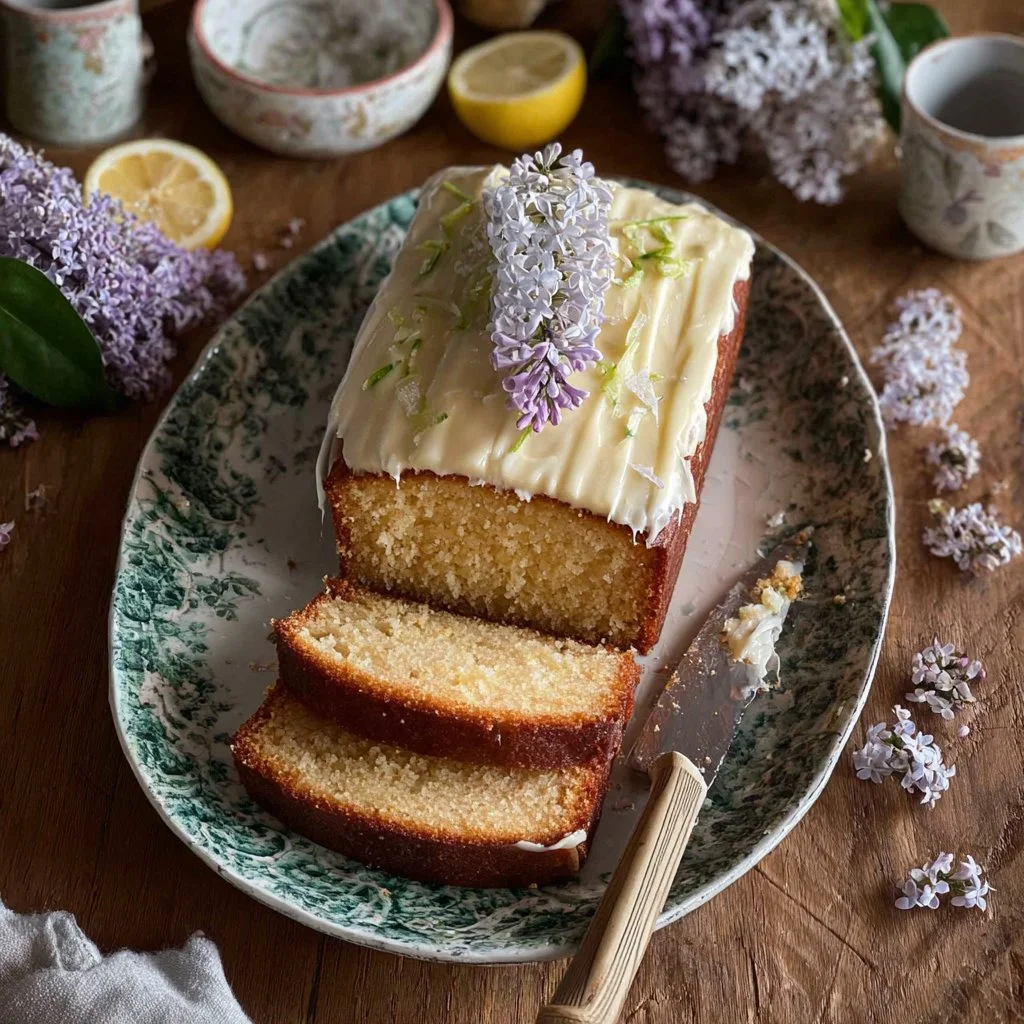
If desired, top with buttercream frosting before serving, or dust with confectioners’ sugar for a lighter finish. Fresh lilac sprigs on top make a pretty garnish.
Pro Tip: Frosted cakes should have clean edges and the frosting should hold peaks without sliding.
Expert Tips for Fresh Spring Lilac Lemon Cake
– Temperature tip: Use room-temperature eggs, butter, and milk for a smoother emulsion and more consistent rise. Cold ingredients lead to uneven texture.
– Texture troubleshooting: If the cake is dense, you may have over-mixed or used too much flour. Sift flour and fold gently to preserve air.
– Equipment tip: Use an oven thermometer and a good quality 9-inch pans for even heat distribution. A stand mixer with paddle attachment speeds creaming but a hand mixer works fine.
– Common mistake: Using too many petals or unwashed flowers can introduce bitterness or pesticides; always rinse and remove stems.
– Baking powder check: Make sure your baking powder is fresh; old leavening produces flat cakes. Replace every 6–12 months.
– Decoration tip: For a neat finish, chill the layers lightly before crumb-coating with frosting to prevent crumbs in the final layer.
– Flavor balance: If you prefer stronger lemon, add an additional teaspoon of zest; for subtler floral notes, reduce lilacs slightly.
– Serving tip: Slice with a serrated knife for cleaner pieces, wiping the blade between cuts if the frosting is soft.
For other crowd-pleasing cakes and creative bakes that pair well with tea, explore this collection of layered cakes and cupcakes at our cake category.
Storage & Freezing for Fresh Spring Lilac Lemon Cake
Store unfrosted layers wrapped tightly in plastic wrap at room temperature for up to 2 days. For longer fridge storage, place in an airtight container and keep for 4–5 days; chilled cake is firmer and slices cleaner.
To freeze, wrap each cooled layer in two layers of plastic and a layer of foil, or place in an airtight freezer container. Freeze for up to 3 months. Thaw overnight in the refrigerator, then bring to room temperature before frosting or serving.
For reheating single slices, microwave on low in 10–15 second bursts until just warm, or warm in a 300°F oven for 8–10 minutes wrapped in foil. Always use freezer-safe containers for best results.
Variations & Substitutions for Fresh Spring Lilac Lemon Cake
– Lilac and Honey Layer Cake: Replace half the sugar with 1/3 cup mild honey and reduce milk by 2 tablespoons. The honey adds depth and pairs beautifully with lilac for a richer, more complex sweetness.
– Lemon-Lavender Twist: Swap lilac for 1–2 teaspoons culinary lavender and add a lemon glaze. Expect a stronger floral note and a more perfumed dessert ideal for small slices.
– Vegan Fresh Spring Lilac Lemon Cake: Use a vegan butter, a plant milk like oat, and a flax egg (1 tbsp flax + 3 tbsp water per egg). The texture will be slightly denser but still moist; see vegan adaptations for technique at vegan cake tips.
– Citrus Berry Swirl: Fold in 1/2 cup finely chopped strawberries or raspberries to the batter and reduce lemon juice slightly. The berries add bright color and a fresh-tart contrast to the floral notes.
Frequently Asked Questions About Fresh Spring Lilac Lemon Cake
Q: Are lilac flowers safe to eat in this cake?
A: Edible lilacs are safe when sourced from pesticide-free plants and when blossoms are cleaned and stems removed. Use only petals and avoid varieties you’re unsure about. If in doubt, substitute culinary lavender.
Q: How can I keep the cake from sinking in the middle?
A: Ensure proper creaming and that baking powder is fresh. Don’t open the oven in the first 20 minutes. Also, avoid over-mixing once flour is added; tough batter can collapse.
Q: Can I make this cake gluten-free?
A: Yes. Replace the all-purpose flour with a 1:1 gluten-free flour blend that contains xanthan gum. The texture will be slightly different—often a bit crumblier—but the lemon-lilac flavor remains.
Q: How to prevent the lilac from losing color during baking?
A: Fold lilac petals in gently at the last moment and keep them whole rather than chopping. Baking will still dull color slightly, but gentle folding preserves flecks and occasional petals in the crumb.
Q: What frosting pairs best with this cake?
A: A simple Swiss meringue or American buttercream is ideal; both balance lemon and floral notes. For a lighter finish, dust with powdered sugar or use a lemon glaze to highlight the citrus.
Final Thoughts on Fresh Spring Lilac Lemon Cake
This cake is a bright, elegant bake that brings spring to the table with minimal fuss. If you loved it, please leave a star rating in the recipe card below and pin it on Pinterest for later.
For a step-by-step photo guide and variant ideas, see this detailed recipe roundup at Fresh Spring Lilac Lemon Cake – Frolic & Fare.
If you prefer plant-based versions, check this vegan mini cake example at Vegan Lilac Lemon Cake Recipe | Fare Isle and another full vegan approach at Vegan Lilac Lemon Cake – Rainbow Plant Life.
For a floral citrus cupcake idea that’s similar in spirit, see this tutorial for lemon lavender cupcakes at Lemon Lavender Cupcakes | The Cake Blog.
Fresh Spring Lilac Lemon Cake
Ingredients
Method
- Preheat your oven to 350°F (175°C). Grease and flour two 9-inch round cake pans.
- In a large mixing bowl, cream together the softened butter and granulated sugar until light and fluffy.
- Add the eggs one at a time, mixing well after each addition.
- Stir in the milk, lemon zest, and lemon juice until combined.
- In another bowl, whisk the flour, baking powder, and salt; gradually mix into the wet ingredients until just combined.
- Fold in the lilac flowers gently.
- Divide batter between the prepared pans and smooth tops.
- Bake for 25–30 minutes or until a toothpick inserted comes out clean.
- Allow cooling for 10 minutes in the pans before transferring to wire racks to cool completely.
- Top with buttercream frosting or serve dusted with confectioners’ sugar and garnish with fresh lilac sprigs.